April 3 - June 7, 2026
McKelvey Charitable Fund Gallery
Pop-Up Reception and Artist Talk Friday, May 15th | 4-5PM
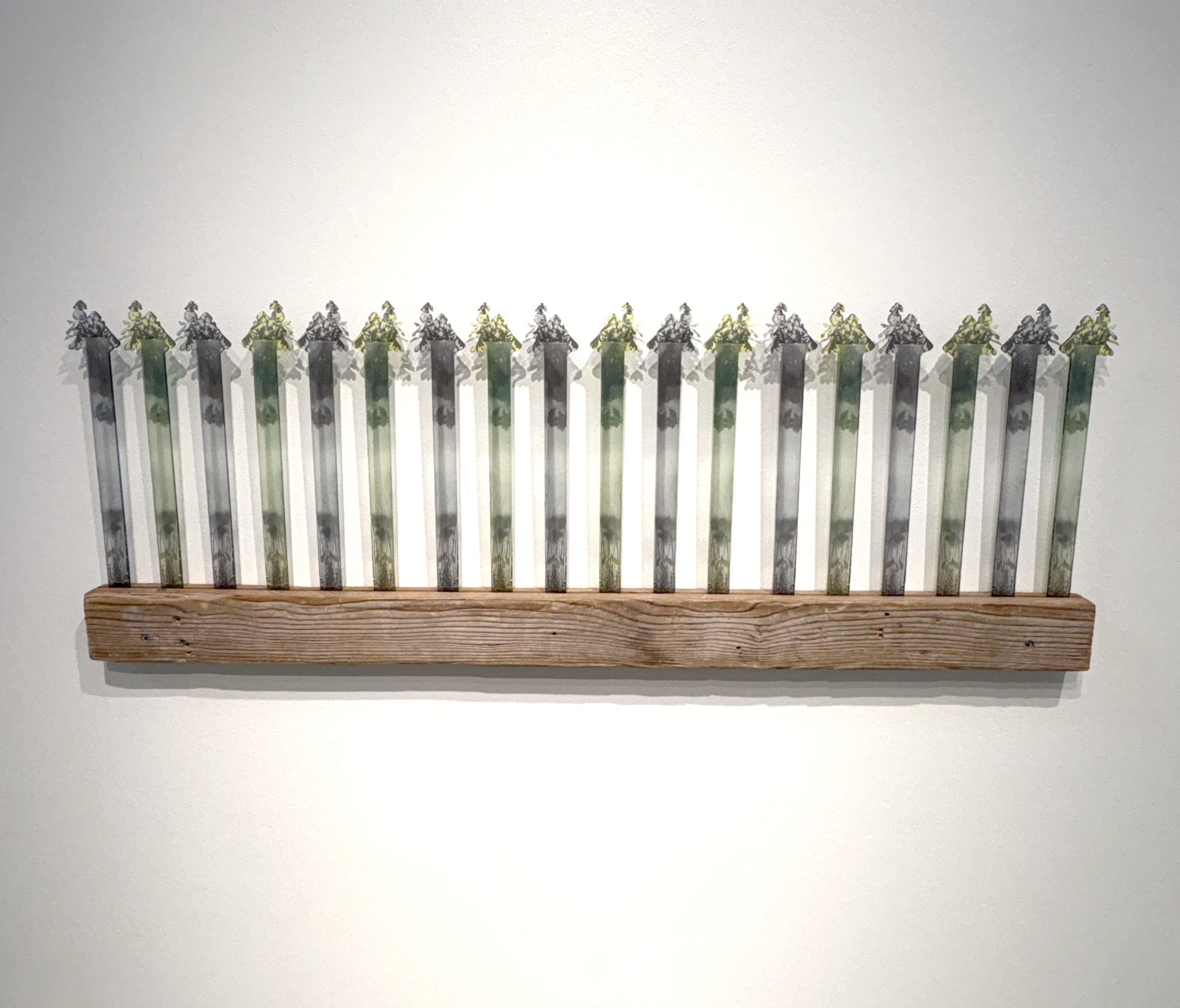
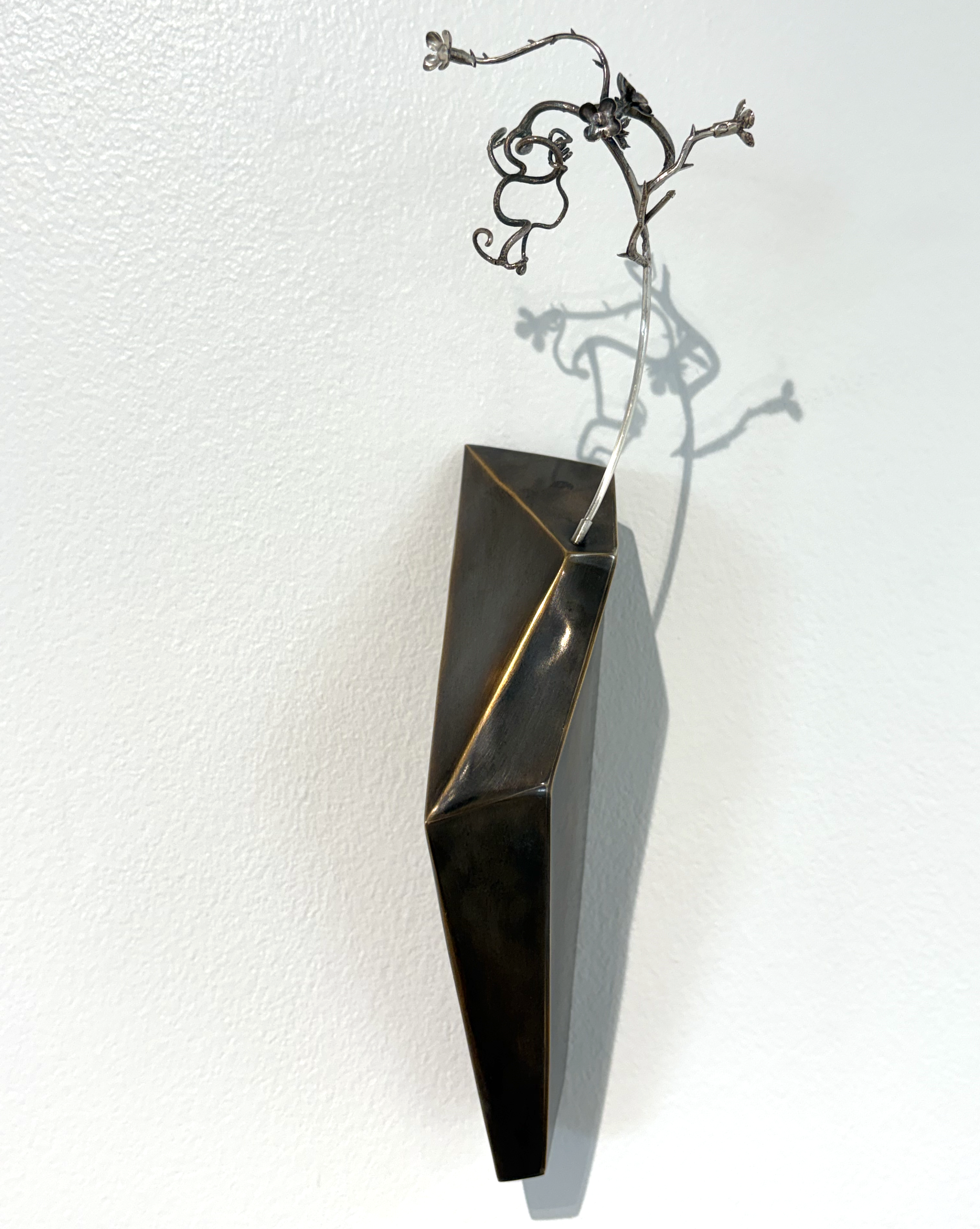
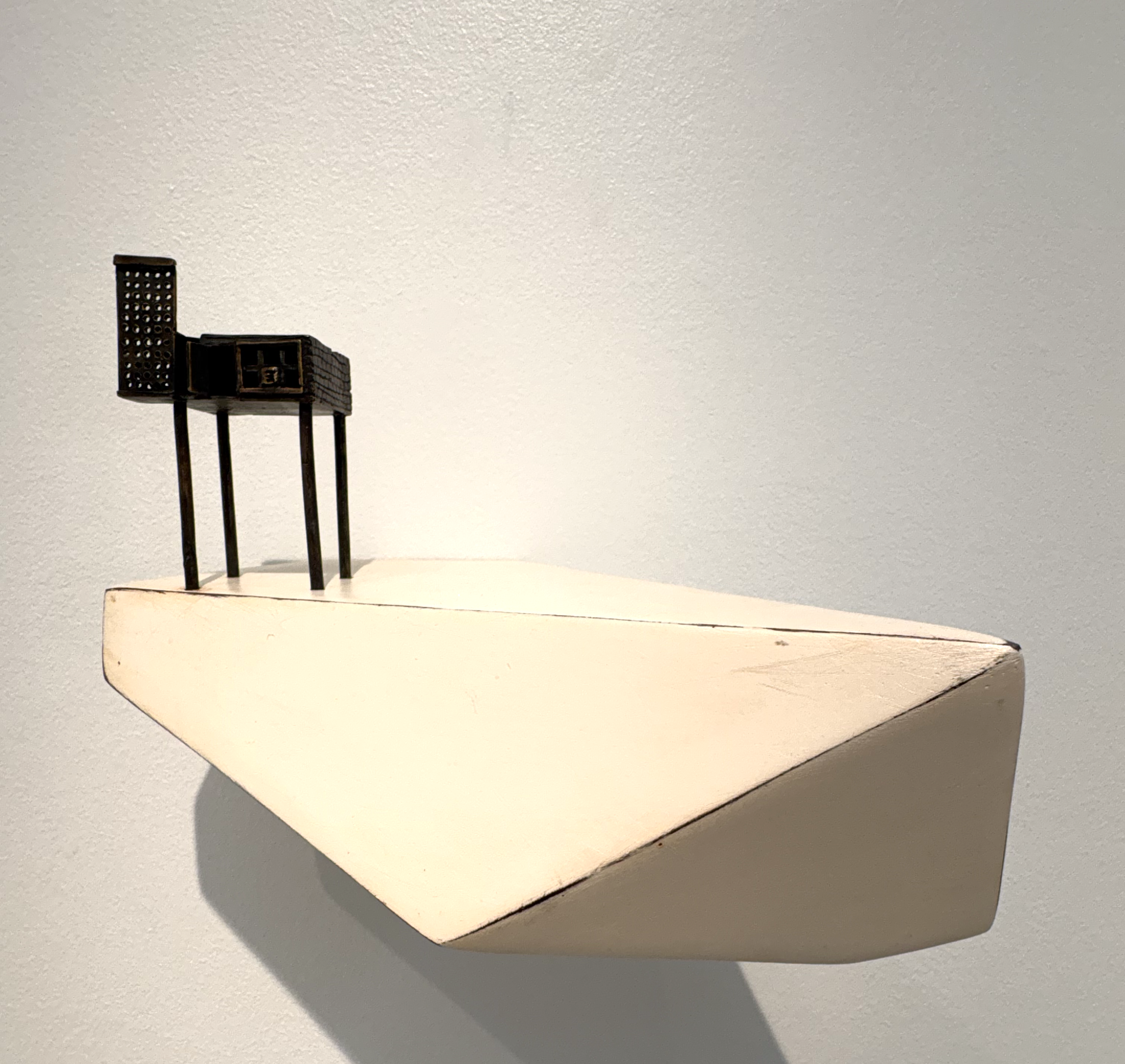
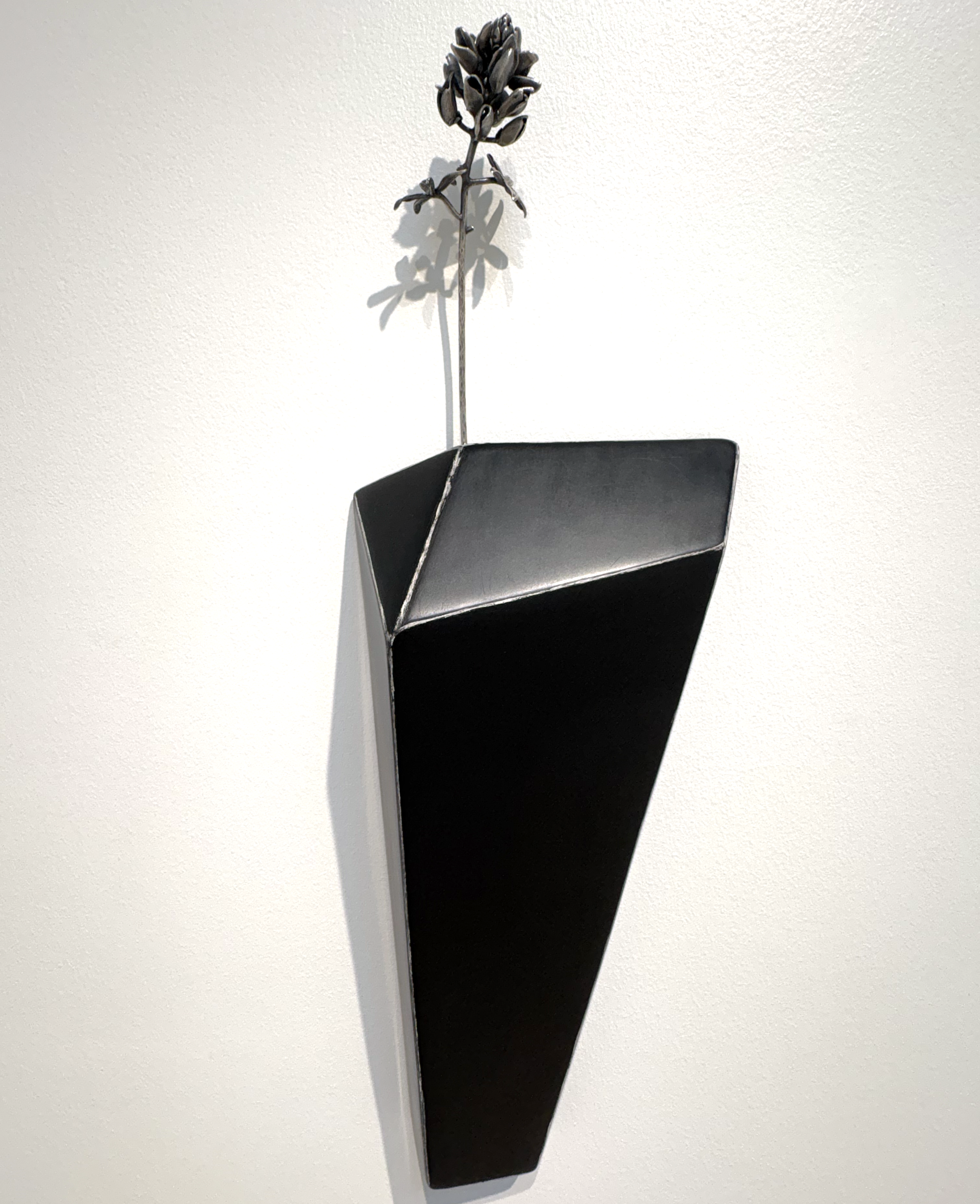
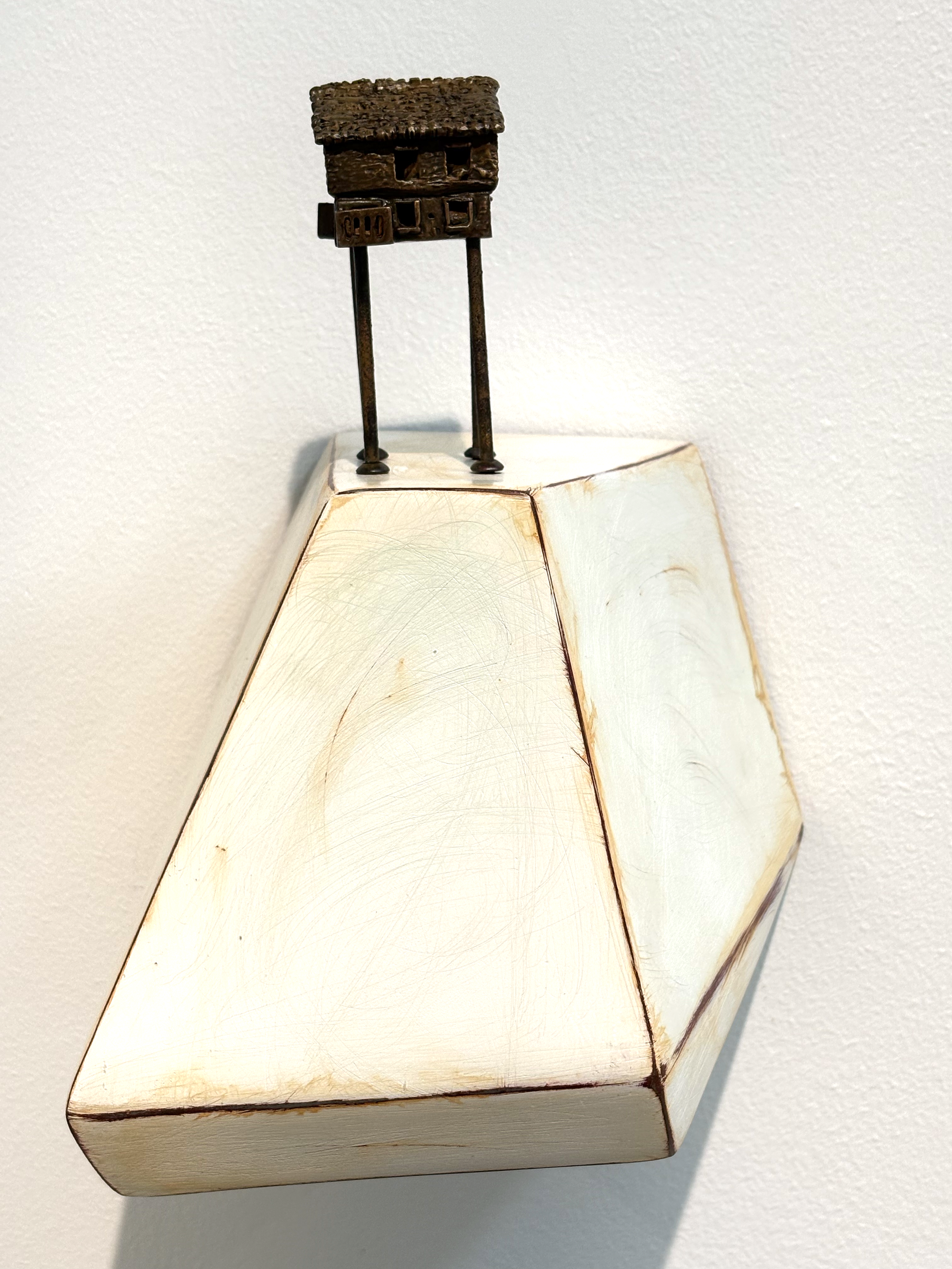
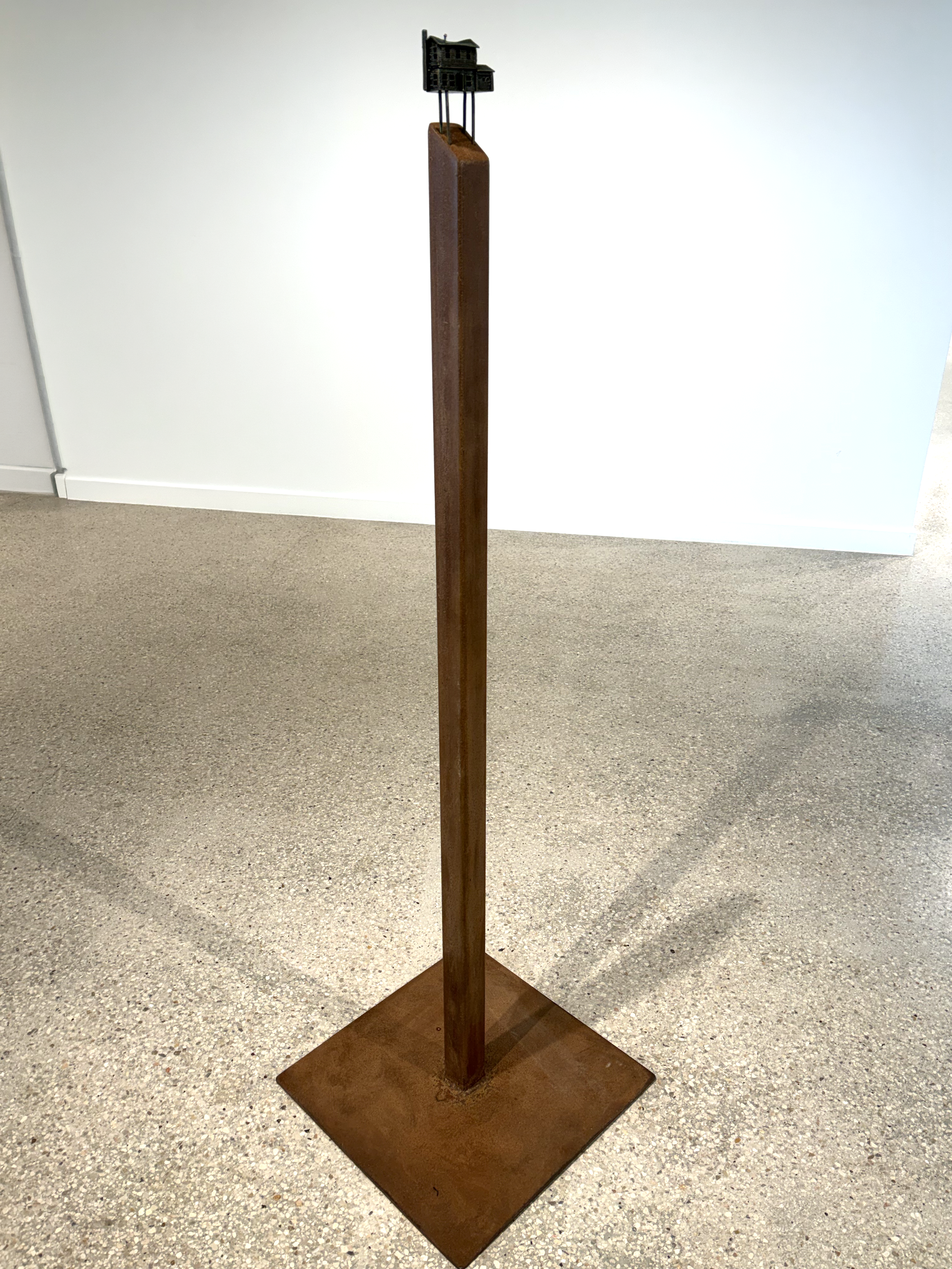
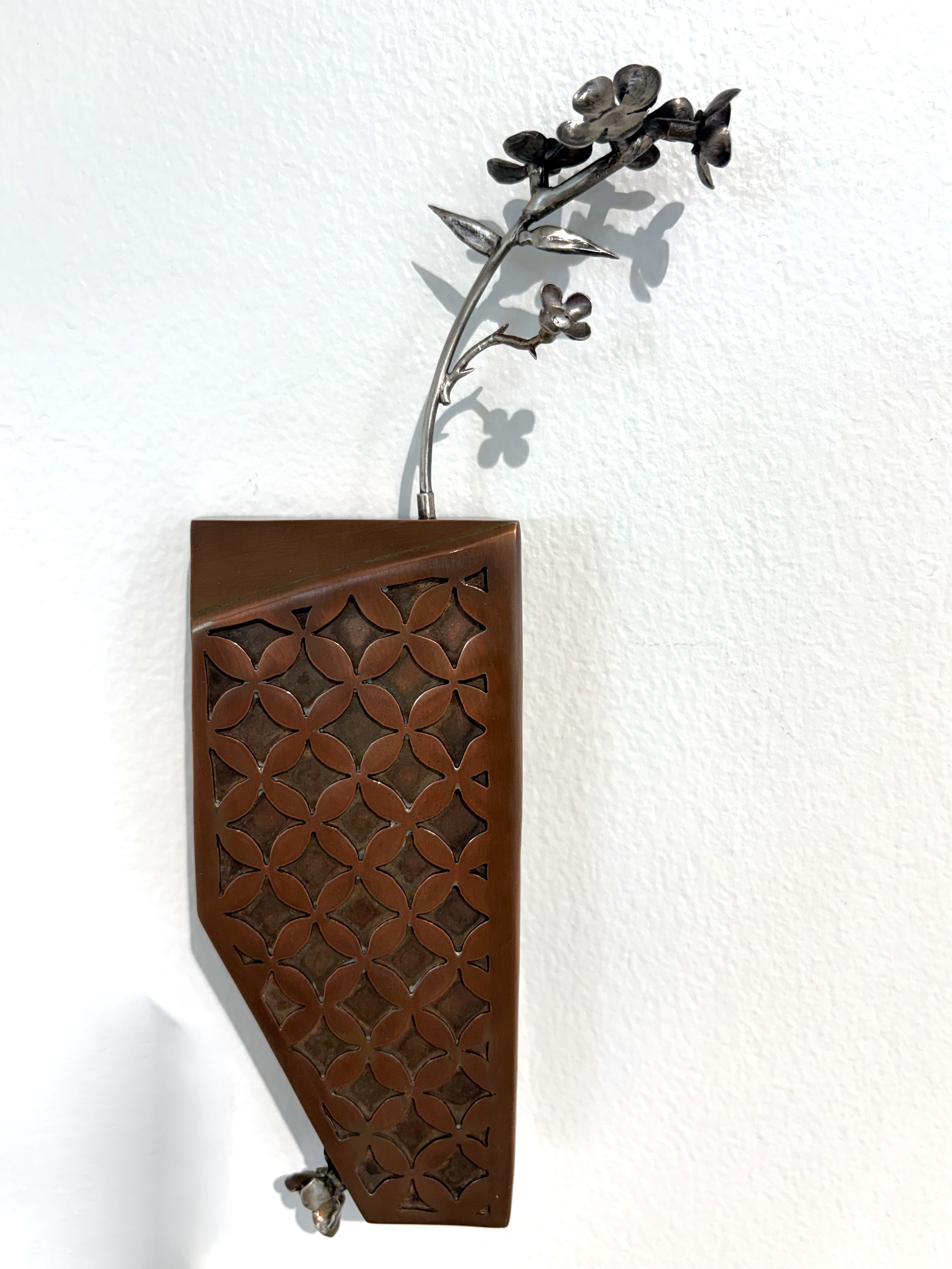
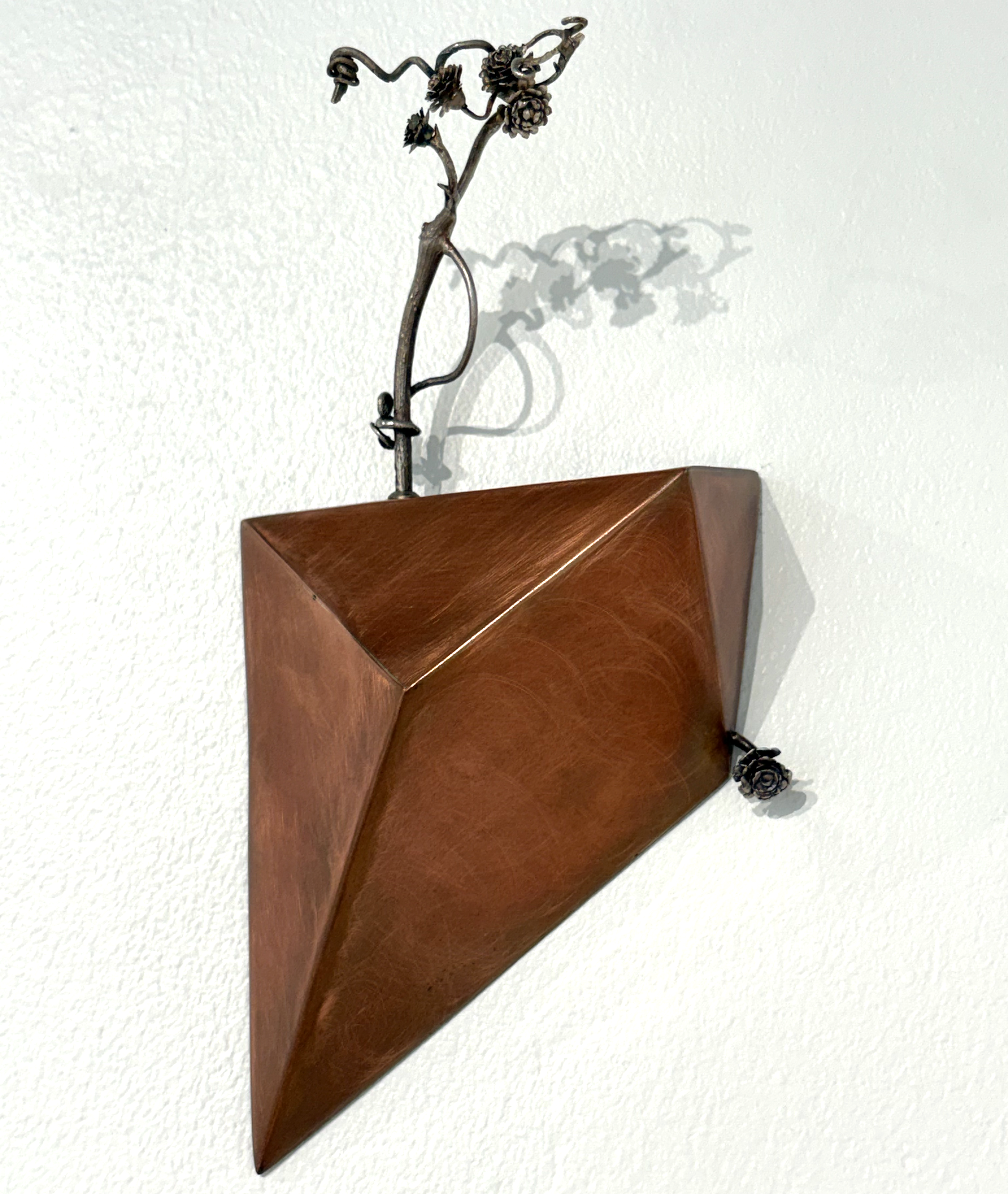
Lauren Selden - Sculptor
Lauren Selden is an artist and professor living in East Texas. Originally from Indiana, she earned her MFA in Metalworking, Jewelry, and Sculpture from Arizona State University and her BFA from Murray State University in Kentucky. She is currently a Professor of Art at Stephen F. Austin State University, where she teaches metalworking and jewelry, 3D foundational design, and professional practices for studio artists.
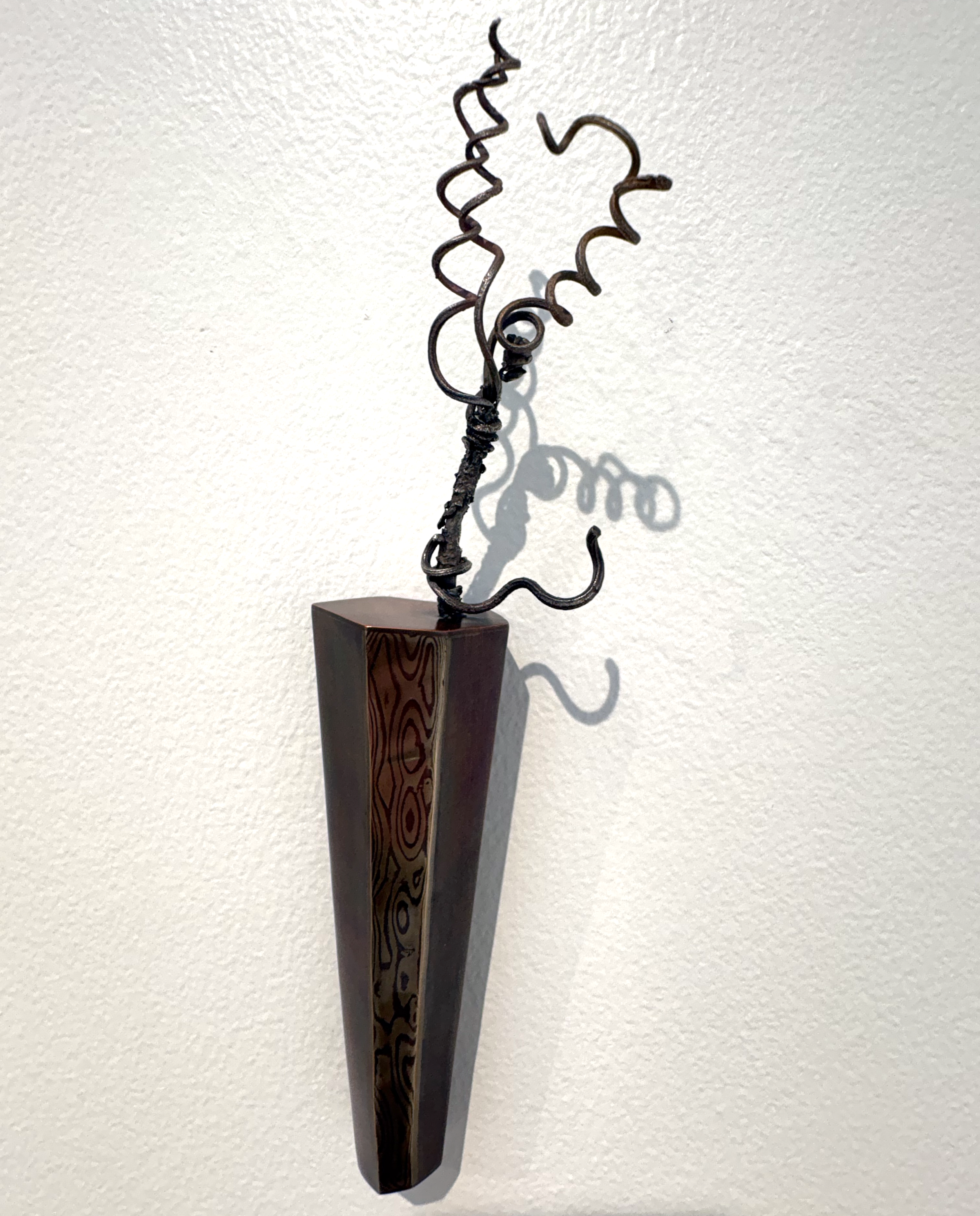
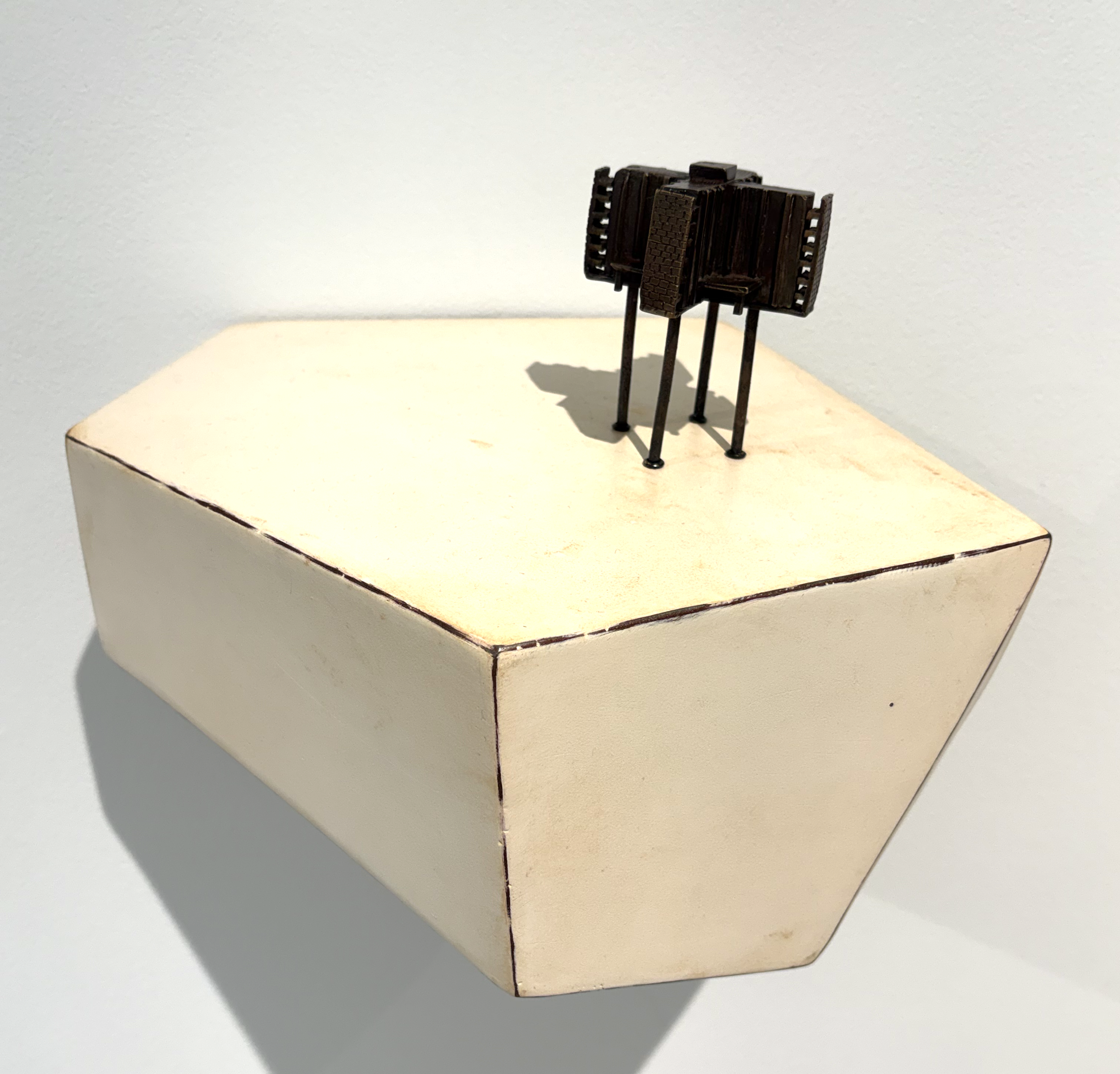
Selden’s artwork spans sculpture, installation, fine art, and craft, blending organic and geometric forms to explore themes of adaptation and memory. Her work has been exhibited nationally and internationally, including solo and juried exhibitions at Artspace, NC, Purdue University, Texas A & M University- College Station, and the Houston Center for Contemporary Craft. She has been awarded competitive artist residencies at Fiskars AiR in Finland, Bær Art Center in Iceland, and Penland School of Craft. Her sculptures are part of permanent public collections, including the San Marcos Arts Commission, Arrowmont School of Arts & Crafts, and the University of North Texas Special Collections.
Selden has presented lectures and workshops across the U.S., Mexico, Germany, France, Finland, Iceland, and Brazil. Her work has been featured in Metalsmith Magazine, as well as Lark Books’ 500 Metal Vessels and 500 Wedding Rings. Her recent work was published in the book, Contemporary Texas Sculpture. A dedicated advocate for craft education and material exploration, she emphasizes the importance of hands-on making and teaches makers of all ages.
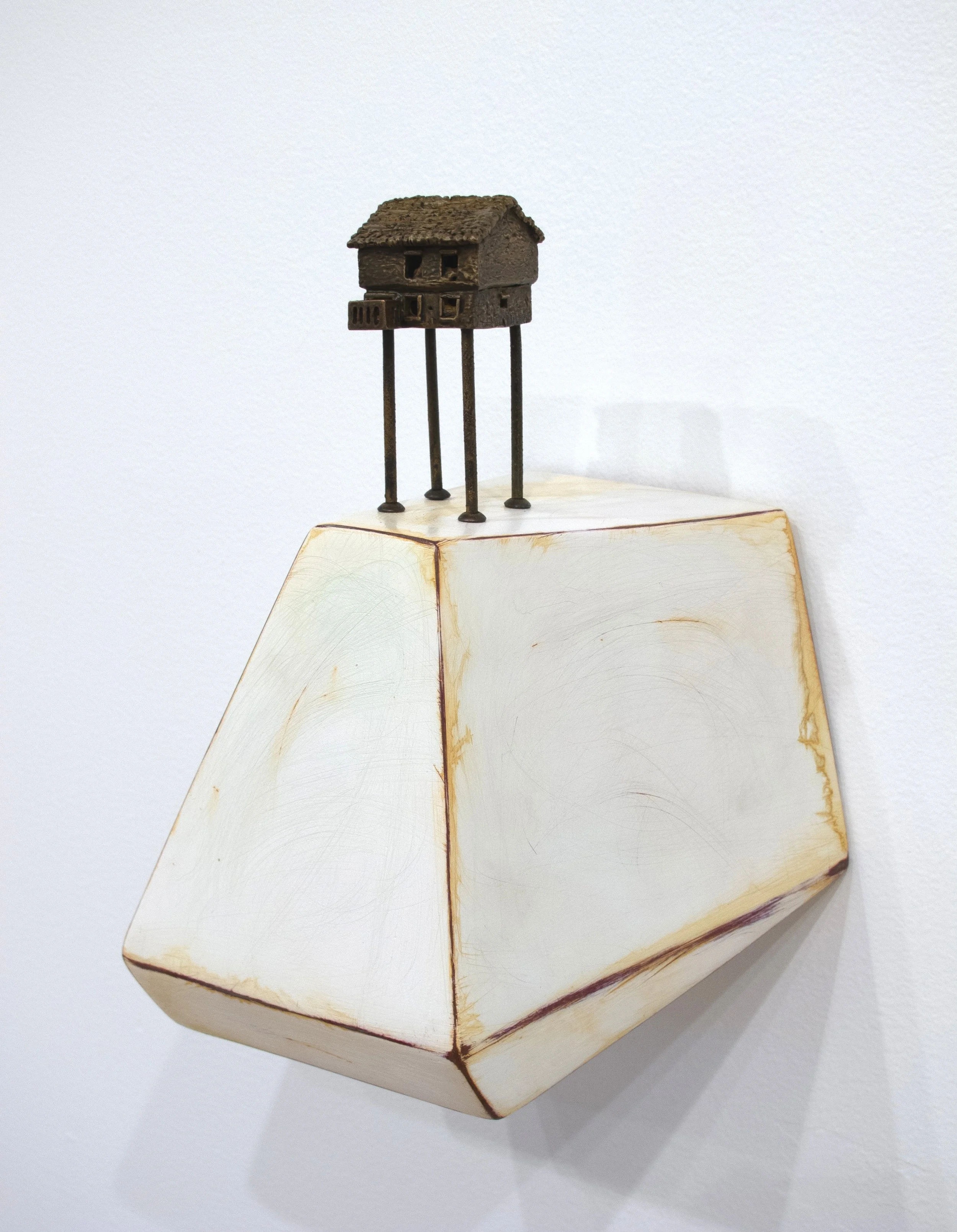
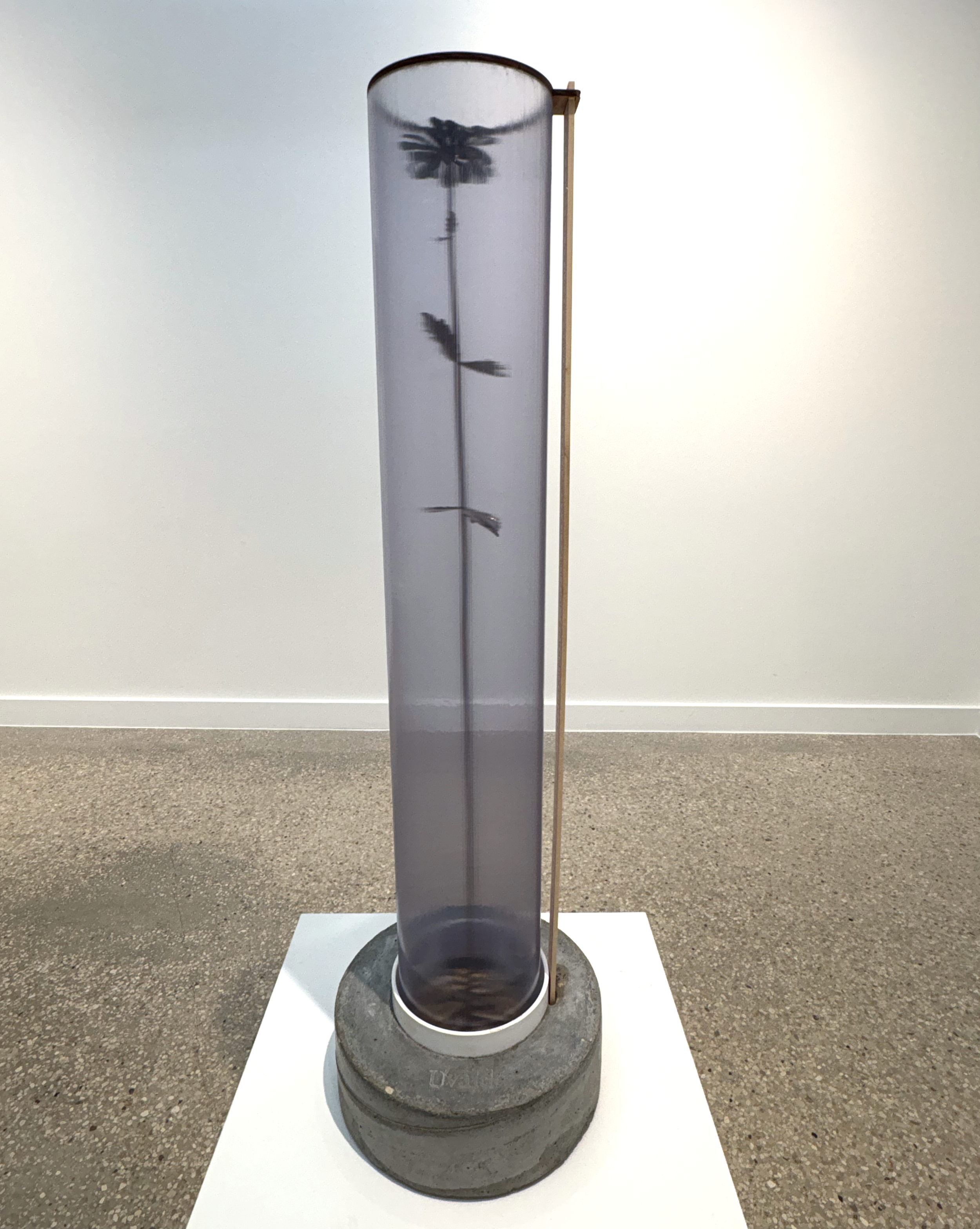
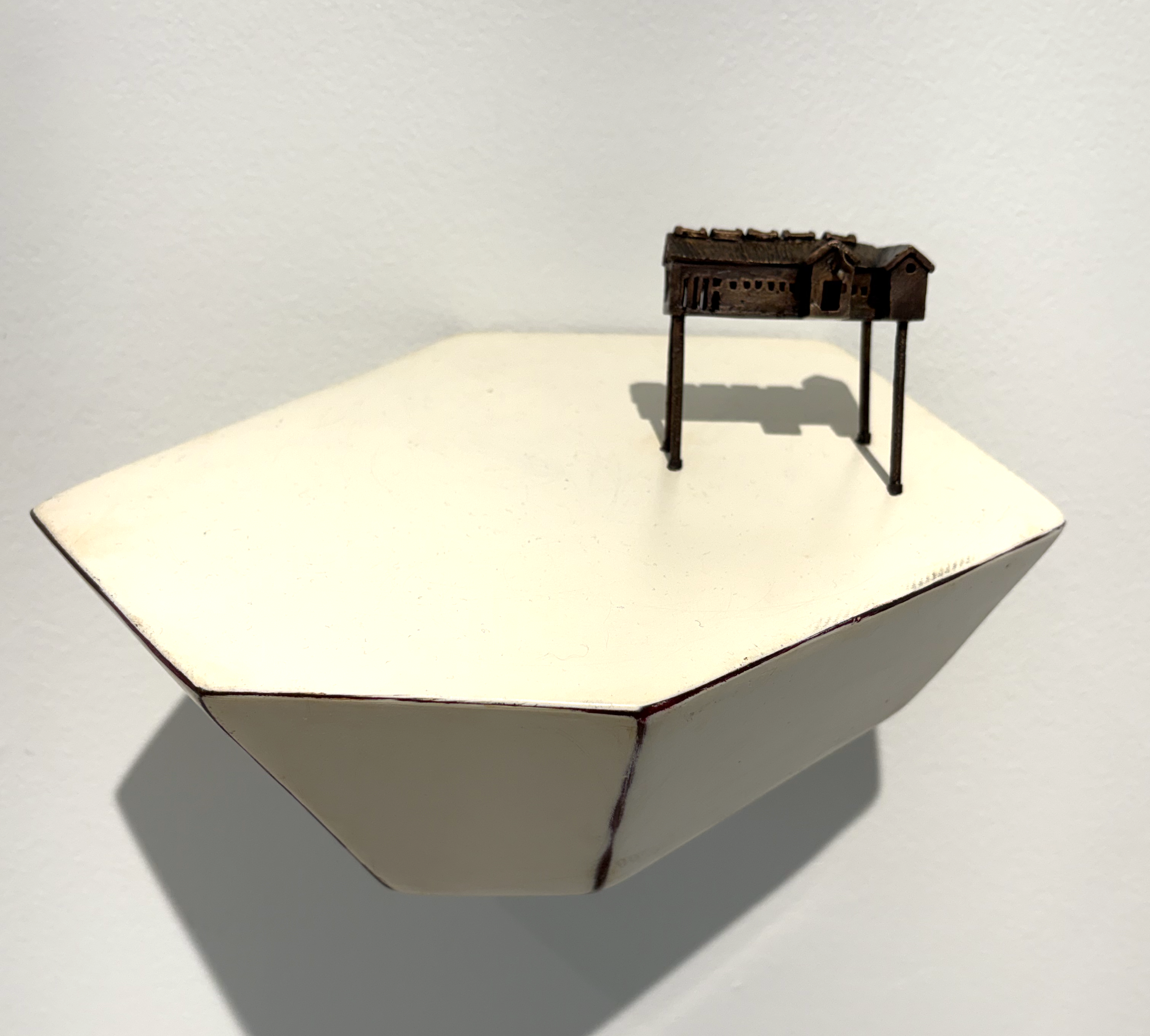
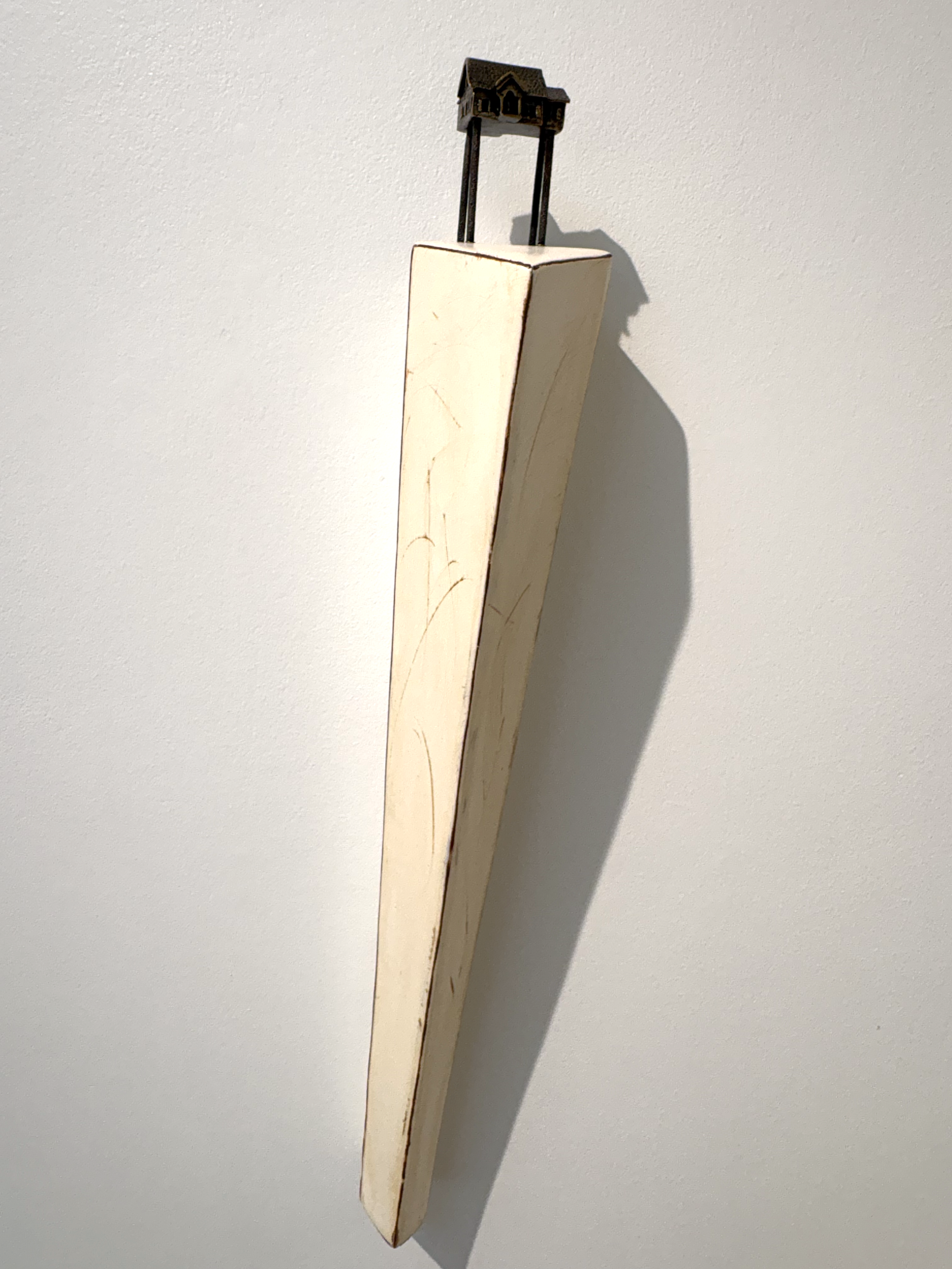
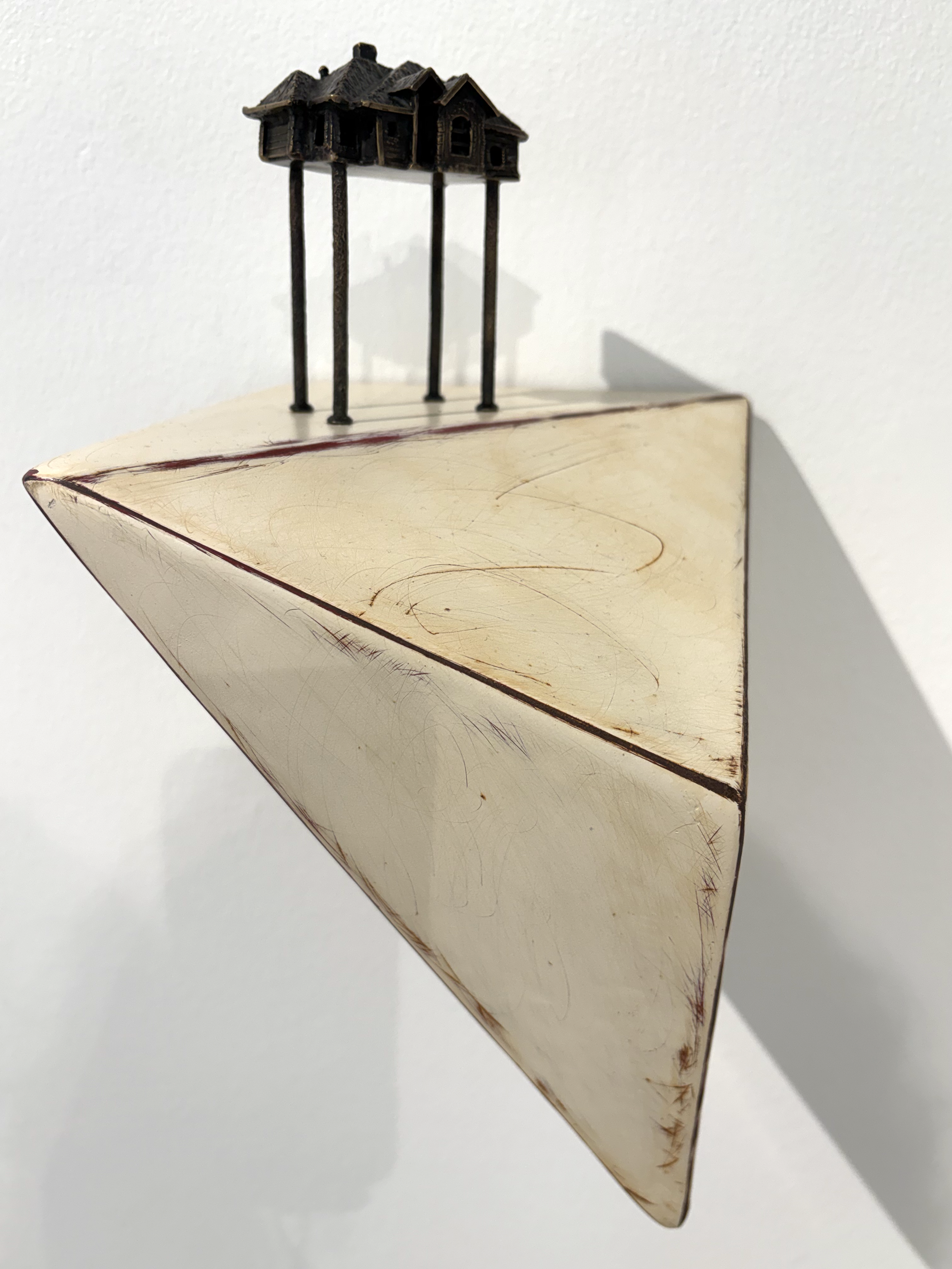
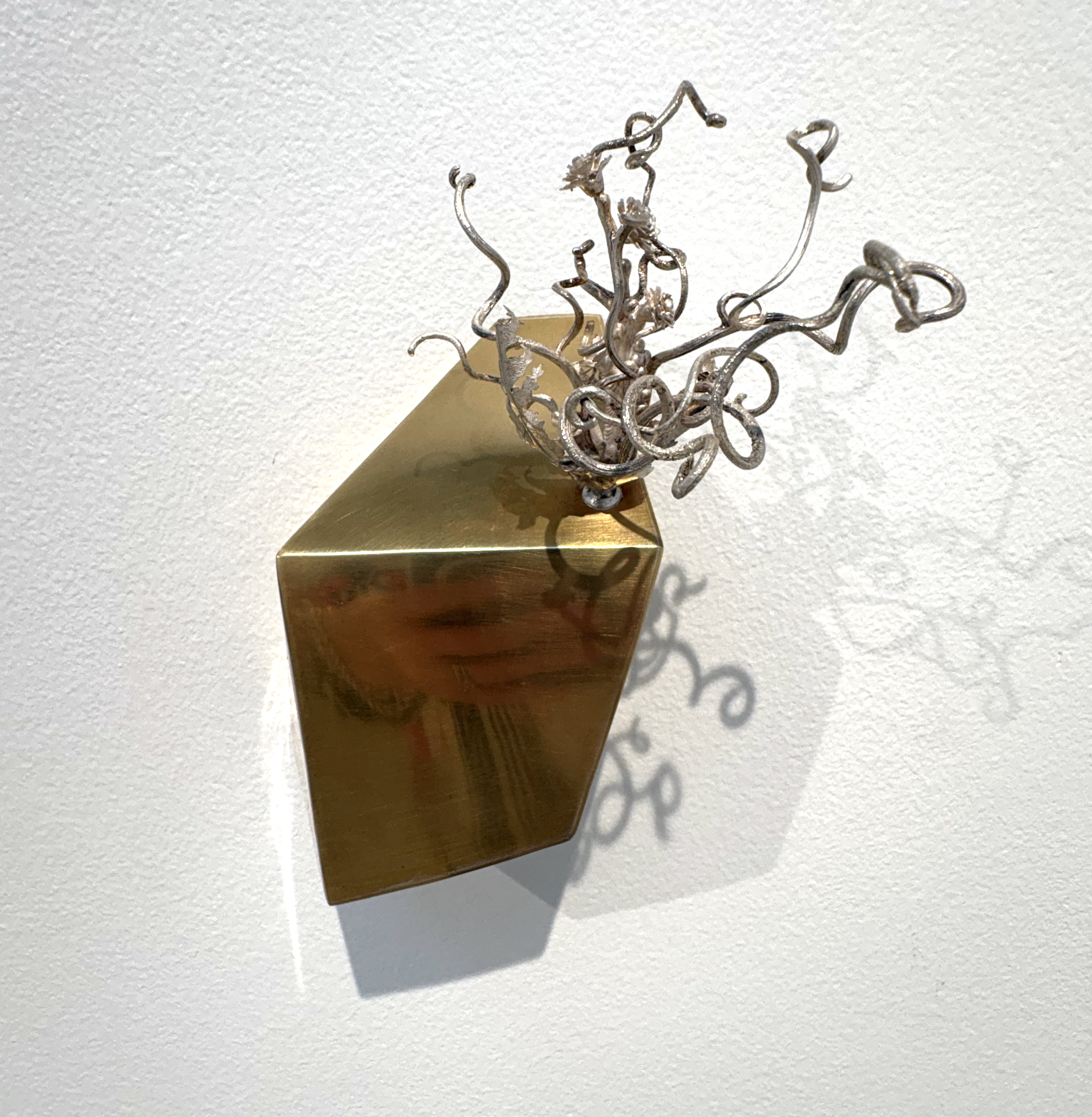
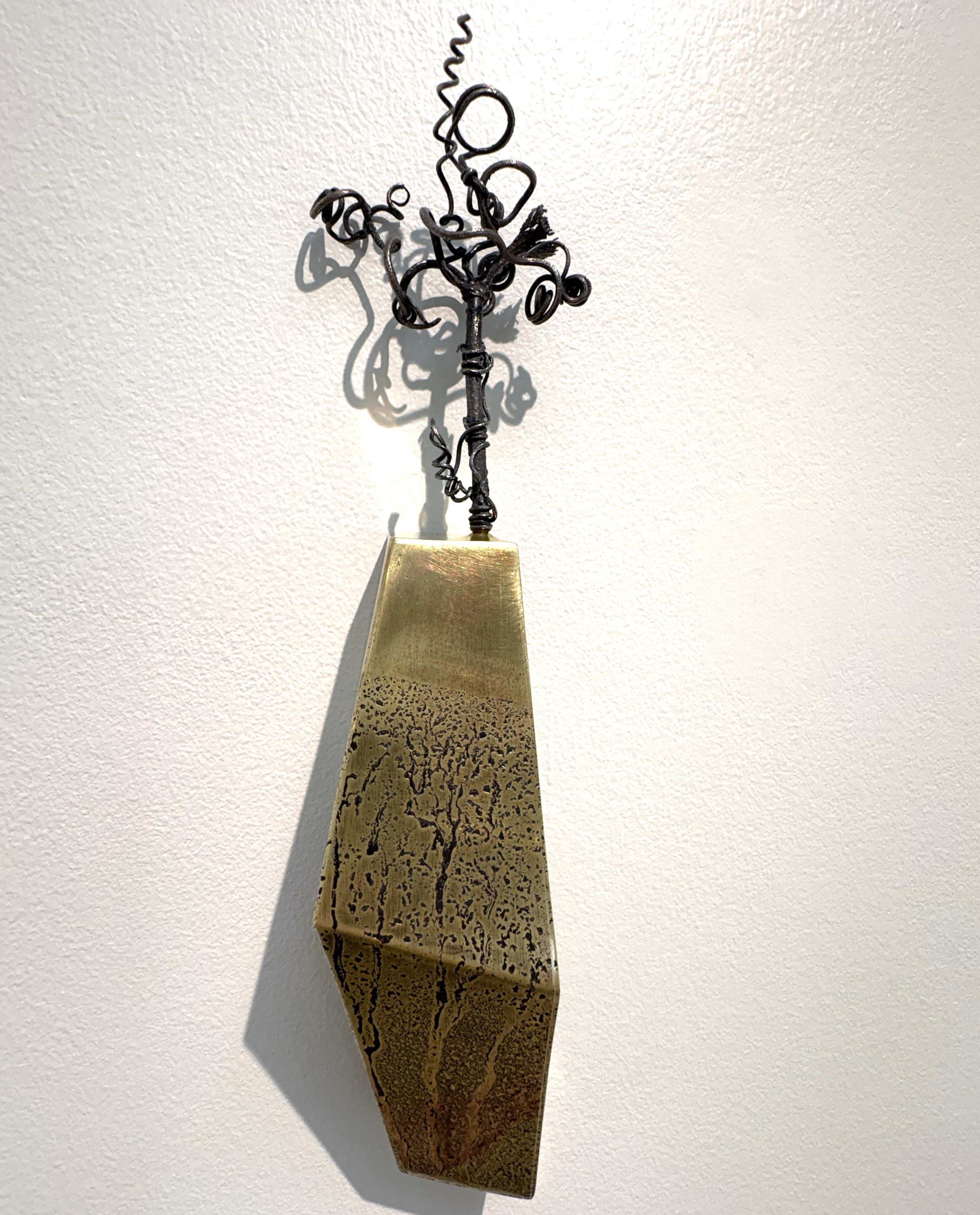
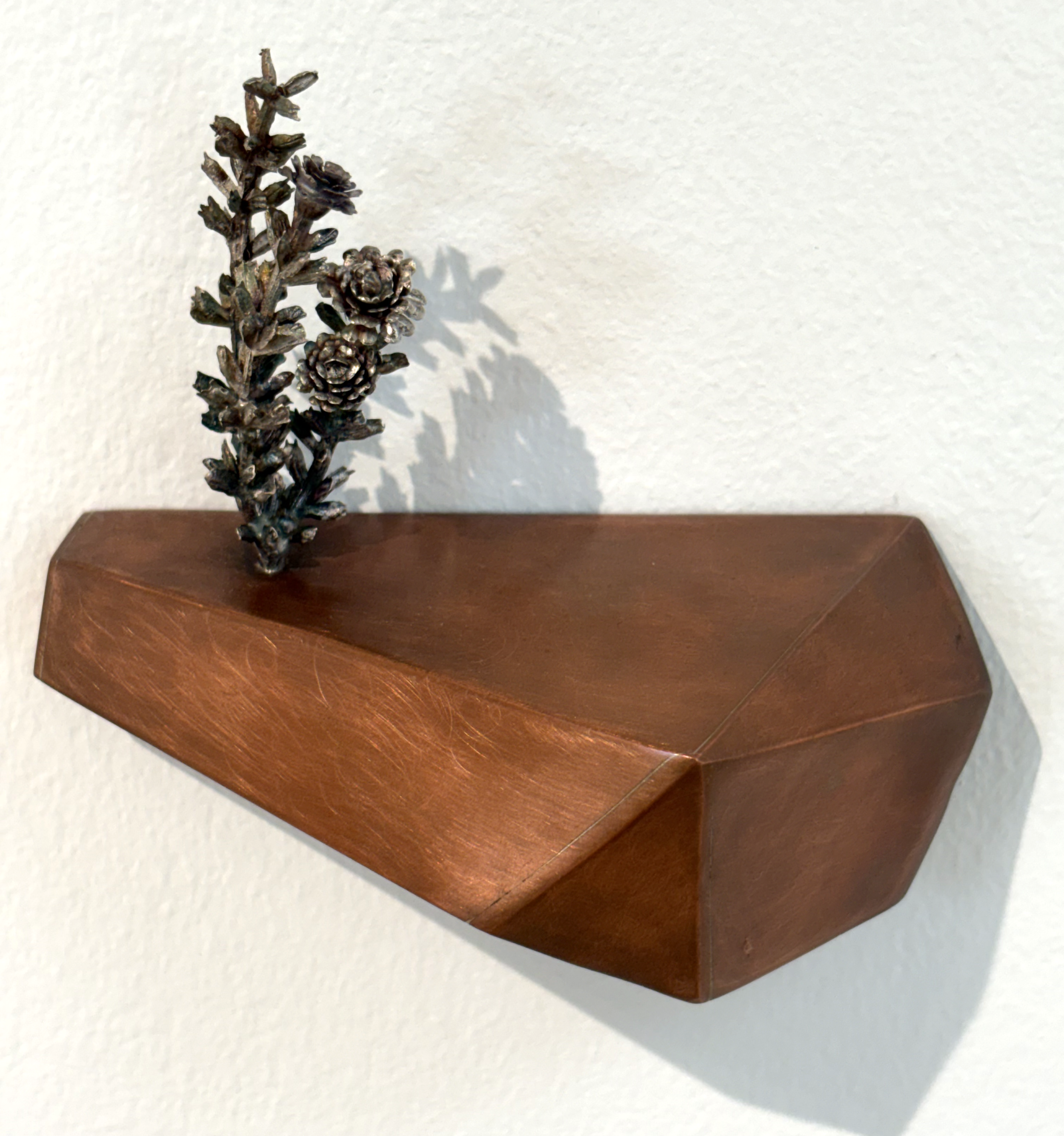
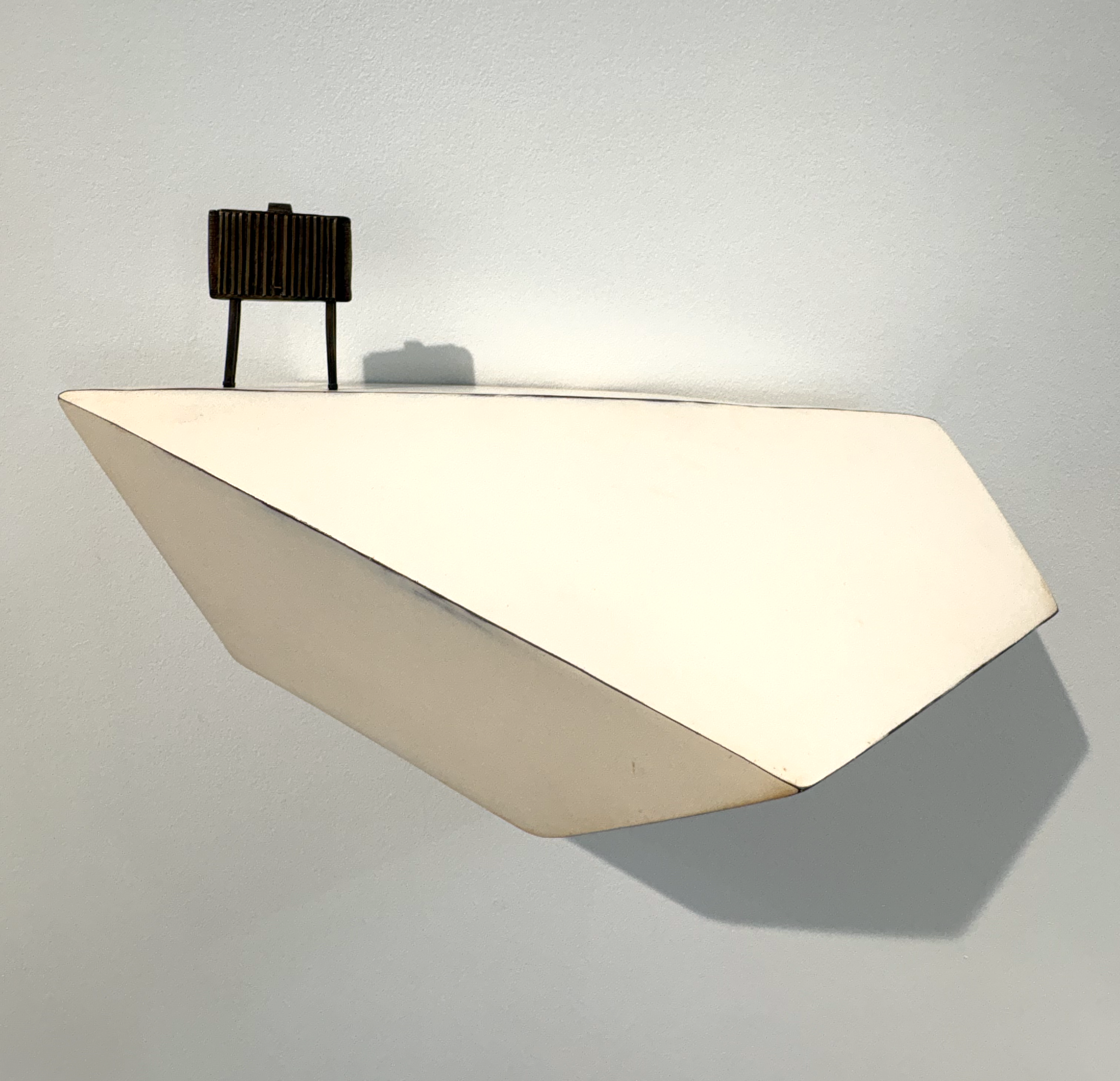
Selden says, “Endurance is central to this body of work—not as steadiness, but as persistence shaped by interruption and discovery. I am drawn to moments where growth disrupts order and where memory presses against structure. In Invasive Species, organic, fabricated metal weeds emerge from rigid geometric forms, interrupting architecture and reminding us that neither natural systems nor social ones remain fixed. In Returning Home, I use thin wax to create small-scale replicas of the homes where I have lived. Formed with heat and care, these fragile structures hold memory in their surfaces and recall places shaped by displacement, rising water, and time.”
“These sculptures are hand made, melted and re-melted, revised and reworked. I listen to what the material allows, even when it resists. Over the past decade, I’ve gained technical skill and access to tools, technology, and mentors across disciplines, and still I often feel like a novice. I understand just enough science to know that forces such as heat, chemistry, and plasma cannot be fully controlled or perfected. Finished work is rarely finished and often asks for more attention.”
“Travel has become an extension of this way of working. While wandering forests in Finland, I was struck by lupines that felt unexpectedly familiar, echoing Texas bluebonnets. Encountering familiar botanical and geological forms across distant landscapes reveals connections shaped long before borders or language. Travel teaches me to notice the ordinary, the quiet, and the subtle transitions of form that persist across places. Traveling now with my family, that awareness deepens. Attention becomes both care and responsibility, along with the obligation to return home safely.”
“Teaching is inseparable from my work. I teach each course with the understanding that it will never happen the same way twice, because the students will be different, and because I will be different. Knowledge moves hand to hand through shared effort, mistakes, and repetition. Craft survives through this transmission.”
“I don’t always know what I am searching for, but I continue to work. Sometimes that work looks like sanding a surface and starting again. Sometimes it looks like realizing that what I am discovering elsewhere was already close.”