
June 17th - August 17th, 2025
Jeanie & Bill Wyatt Gallery
Reception Saturday, August 9th 5-7PM
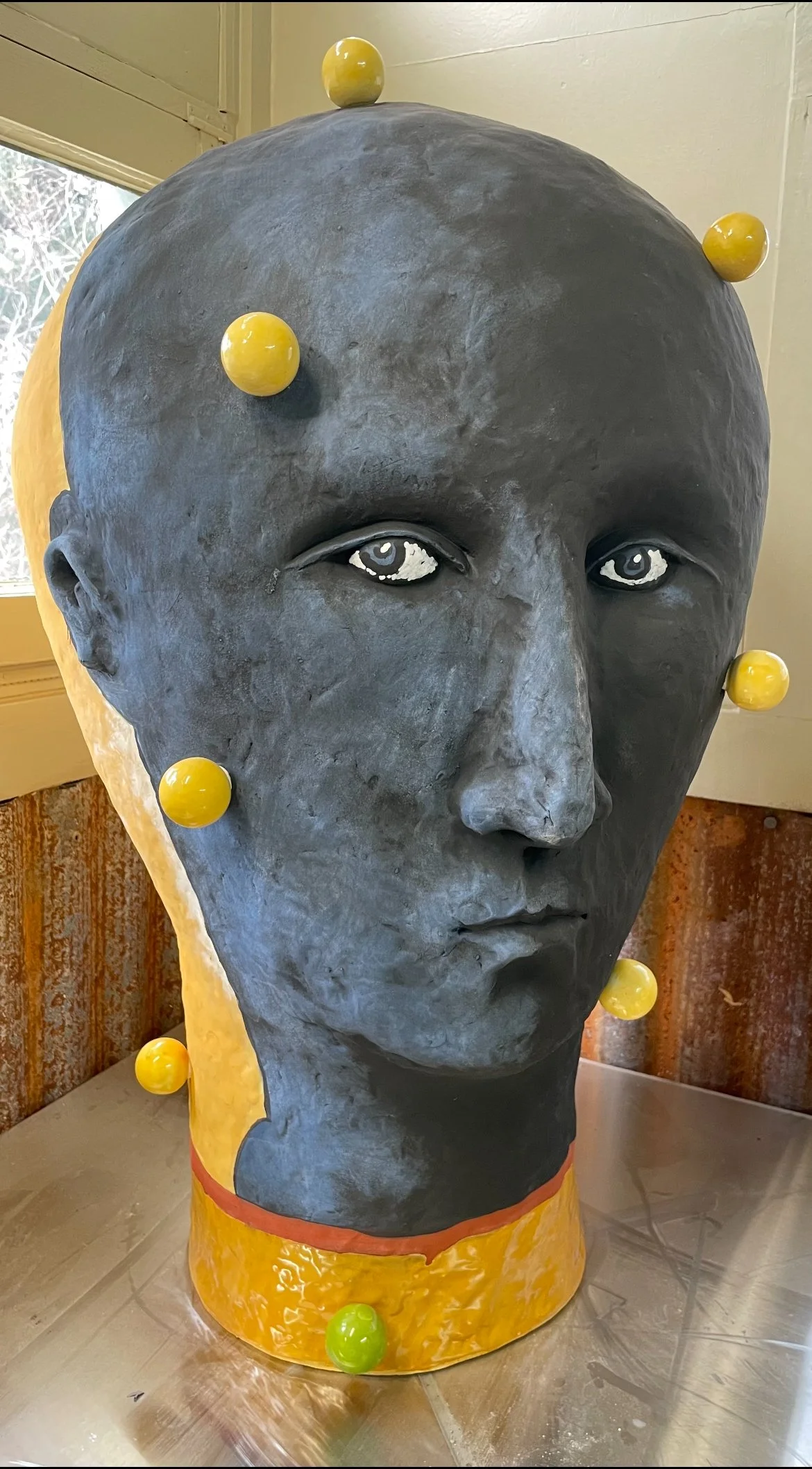
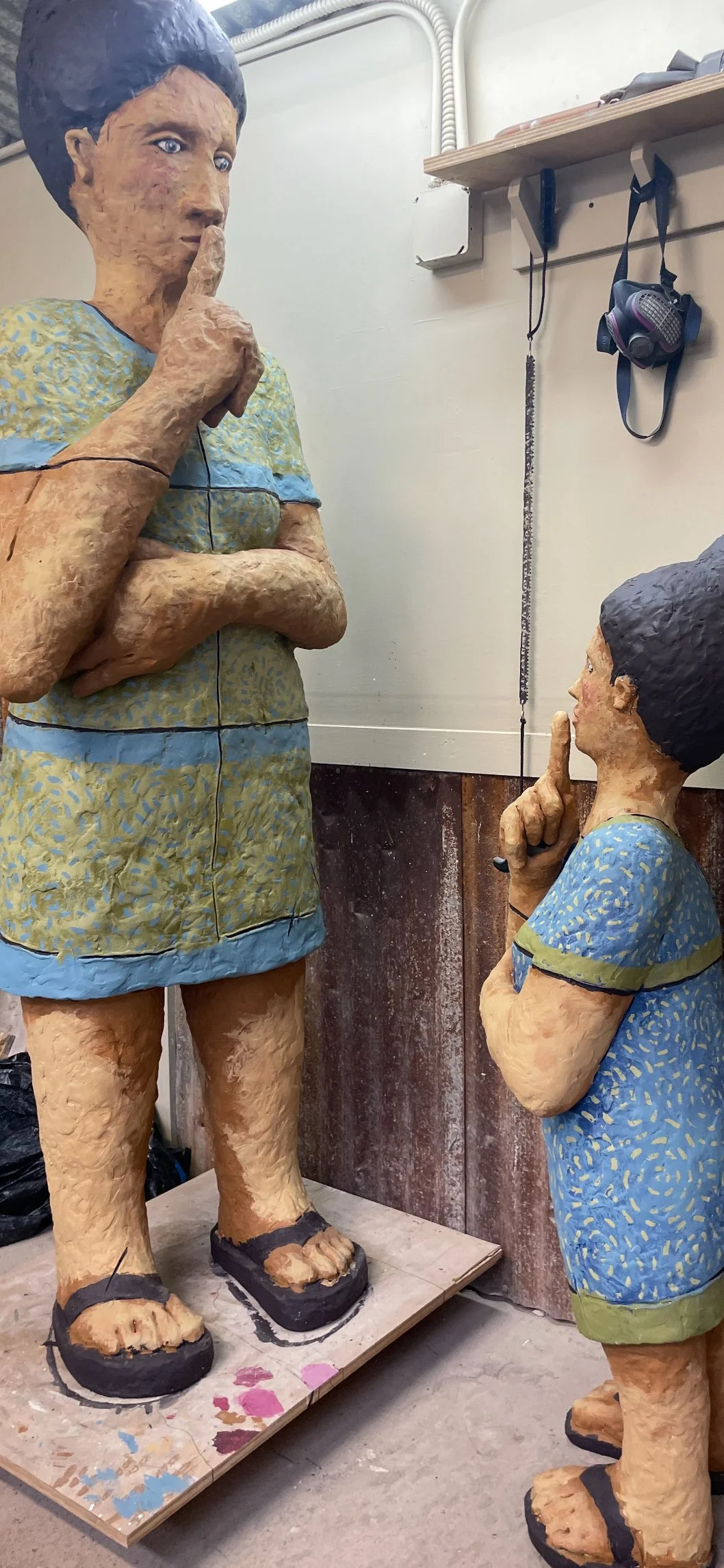
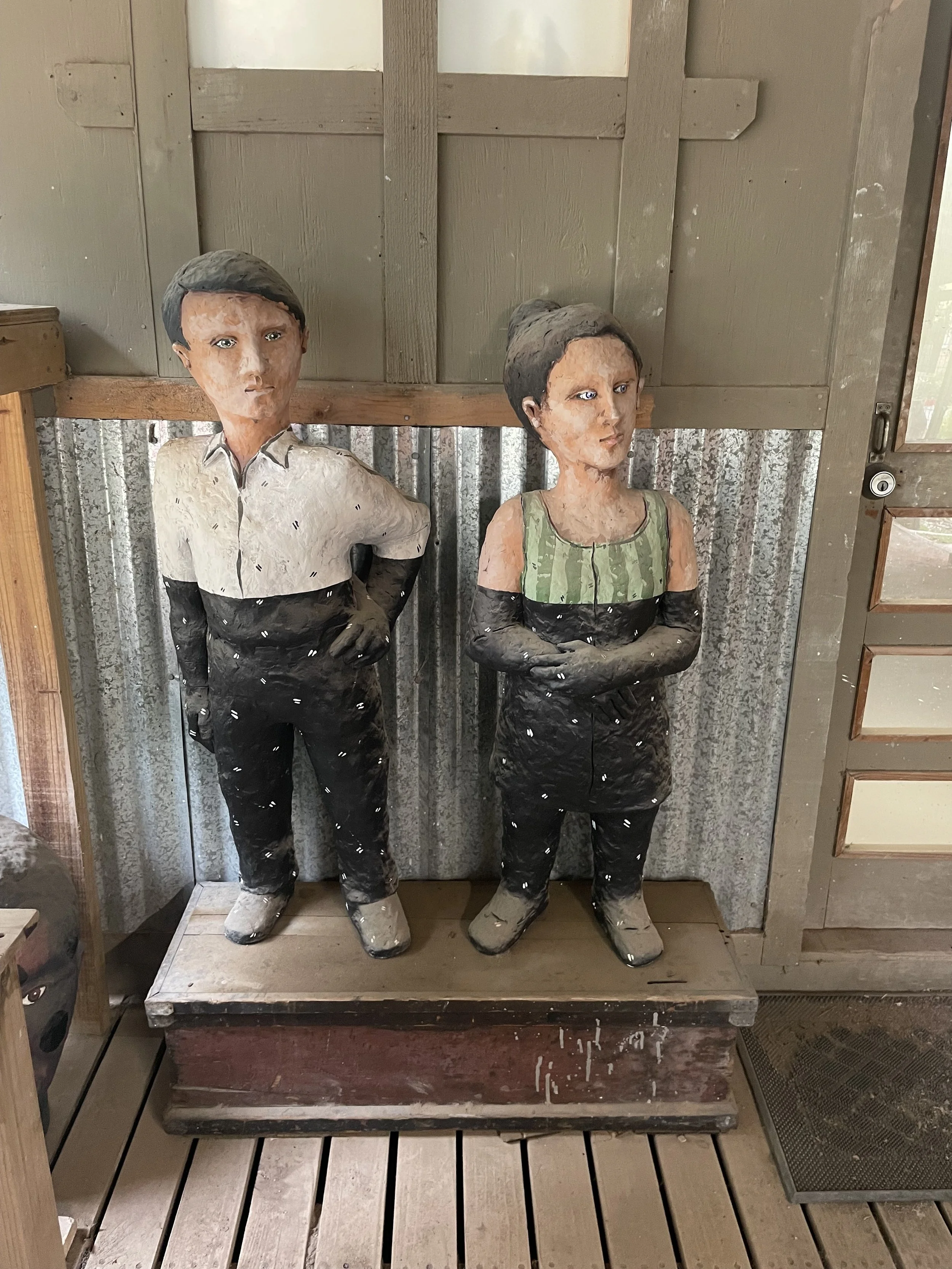
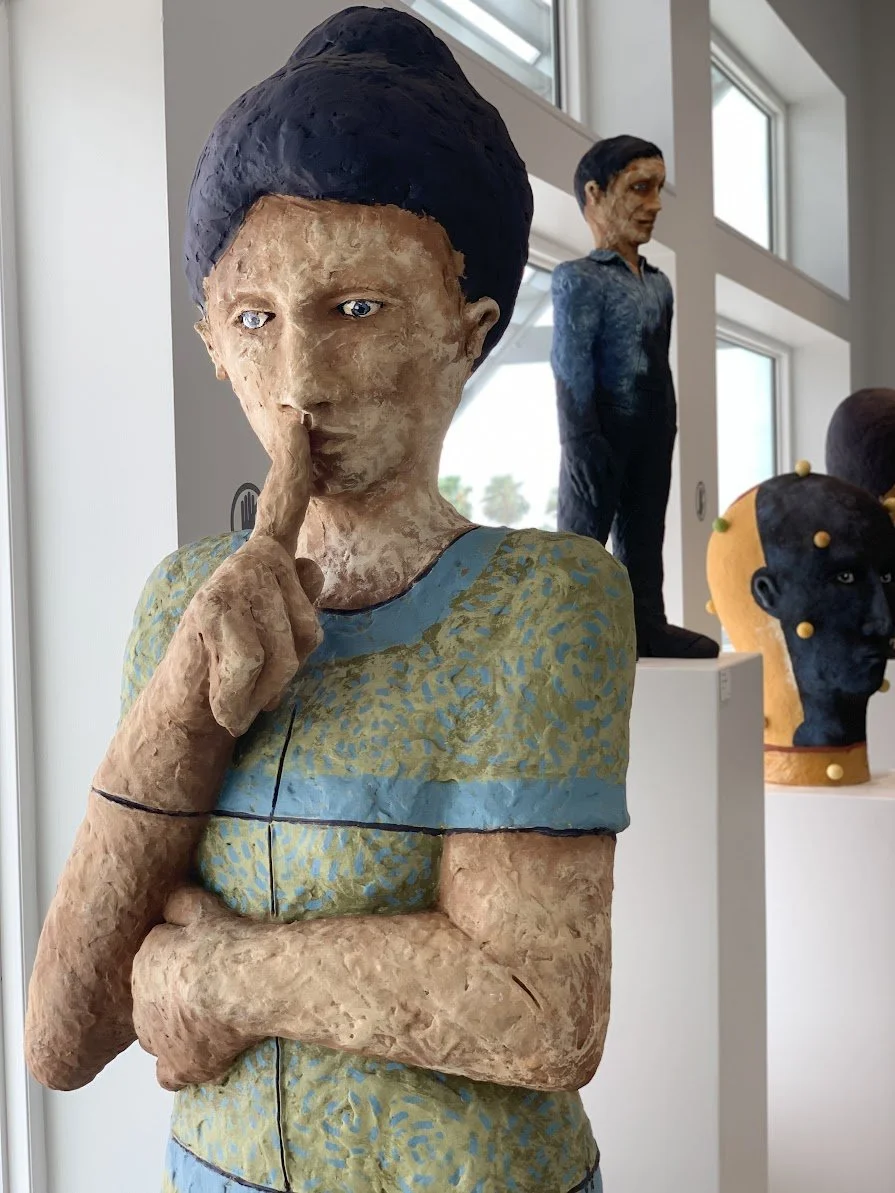
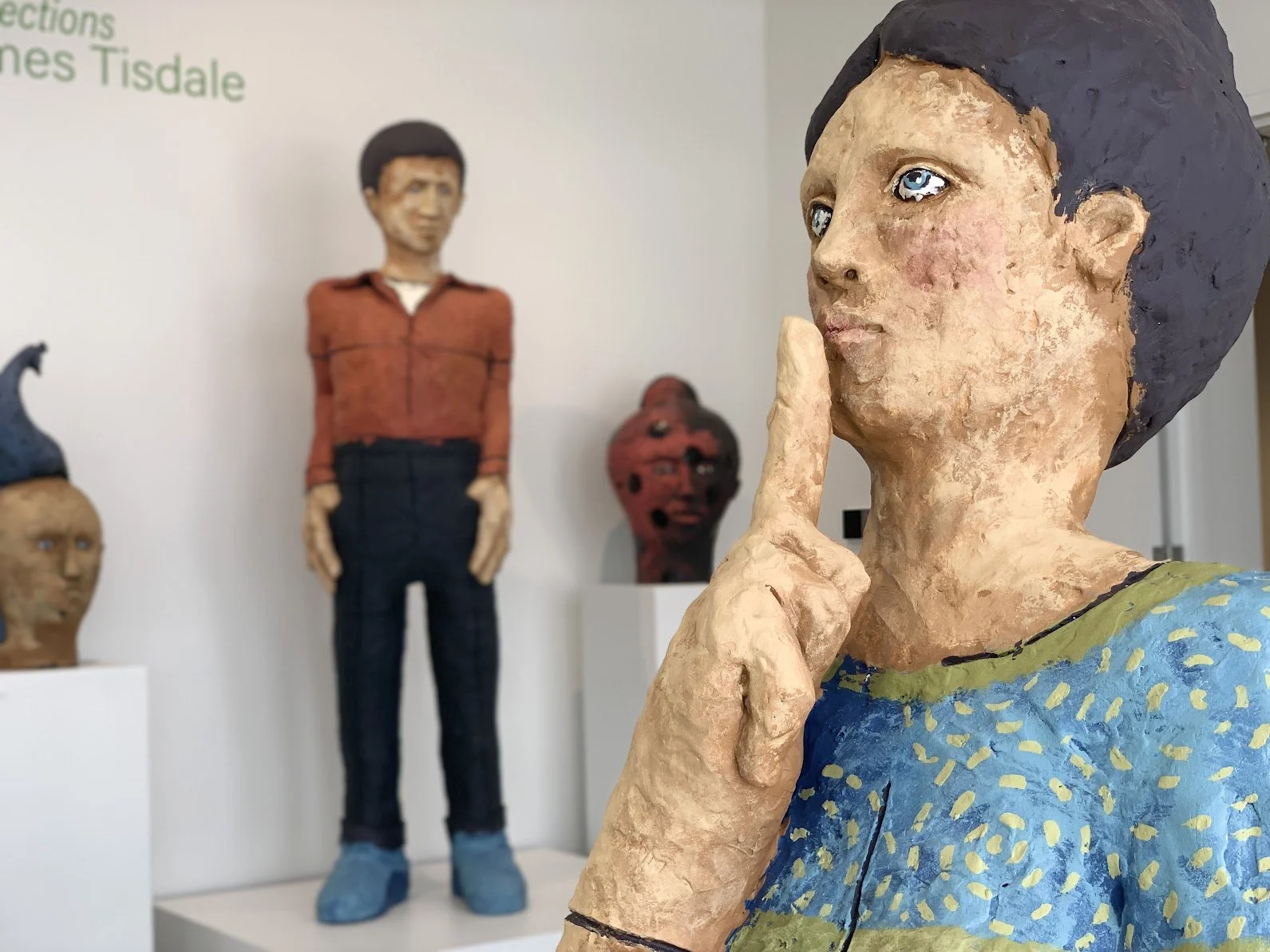

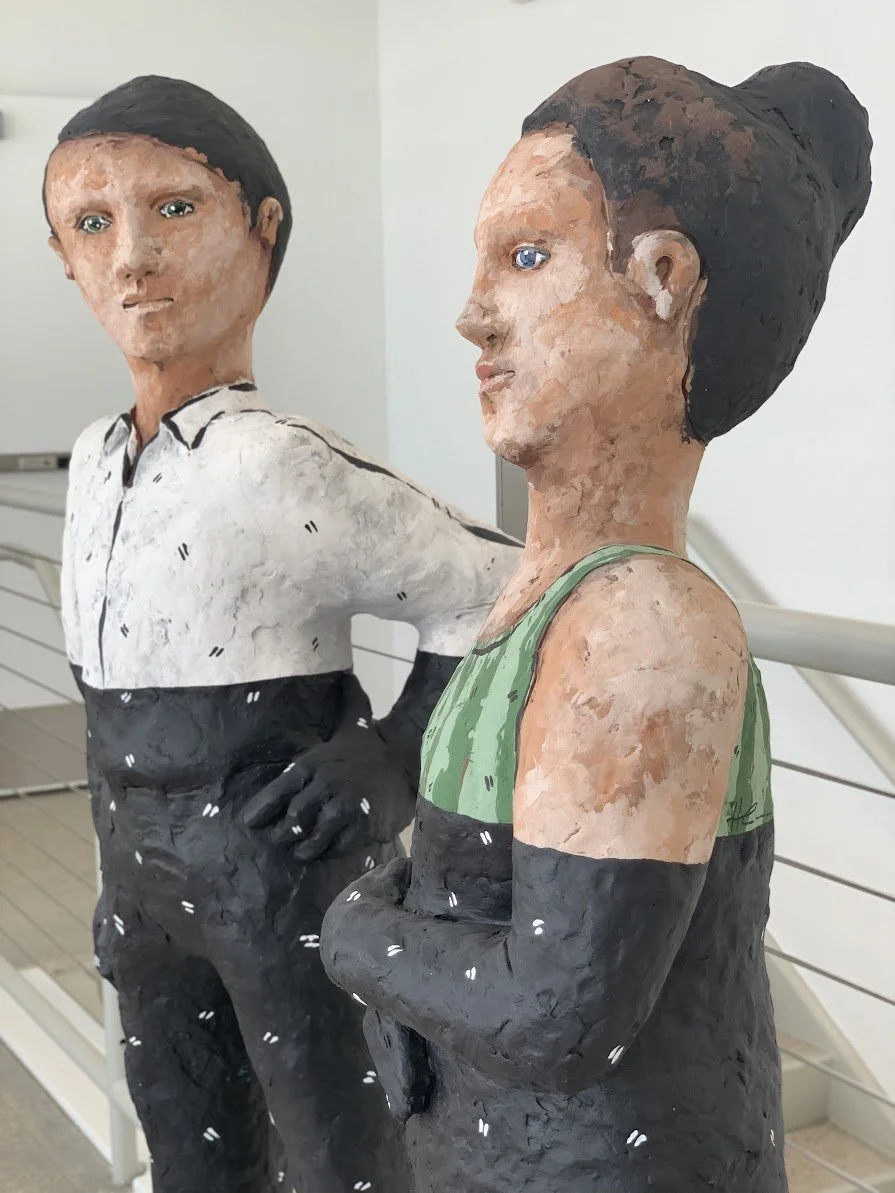
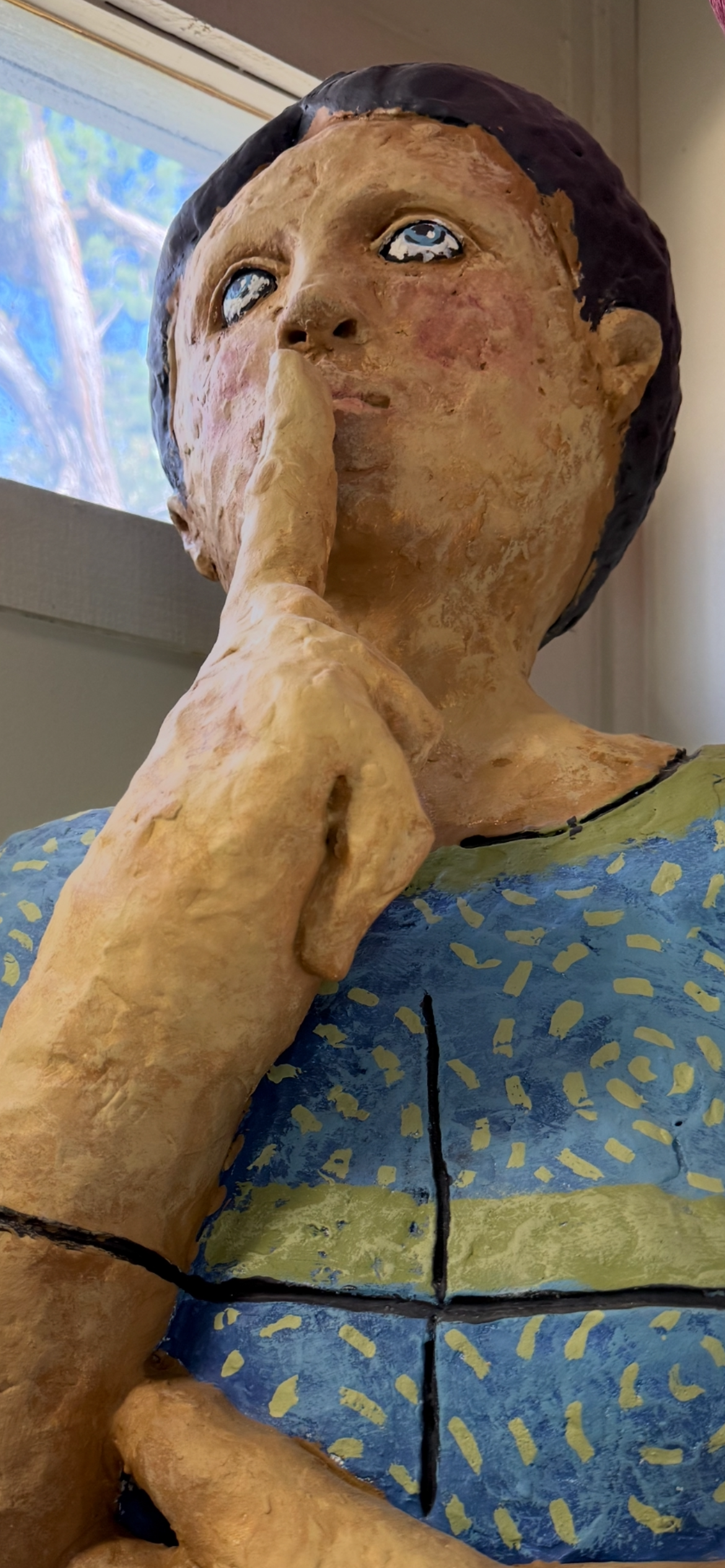
Ceramics
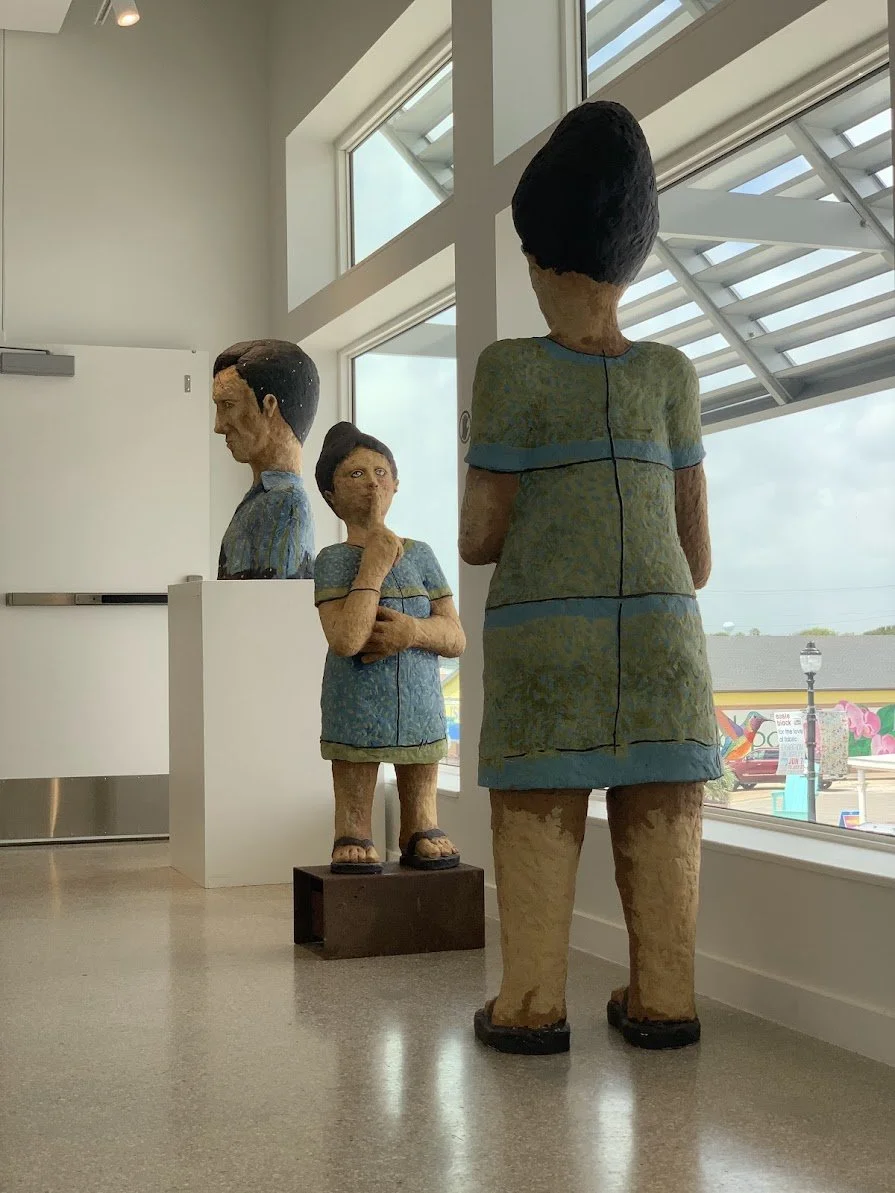
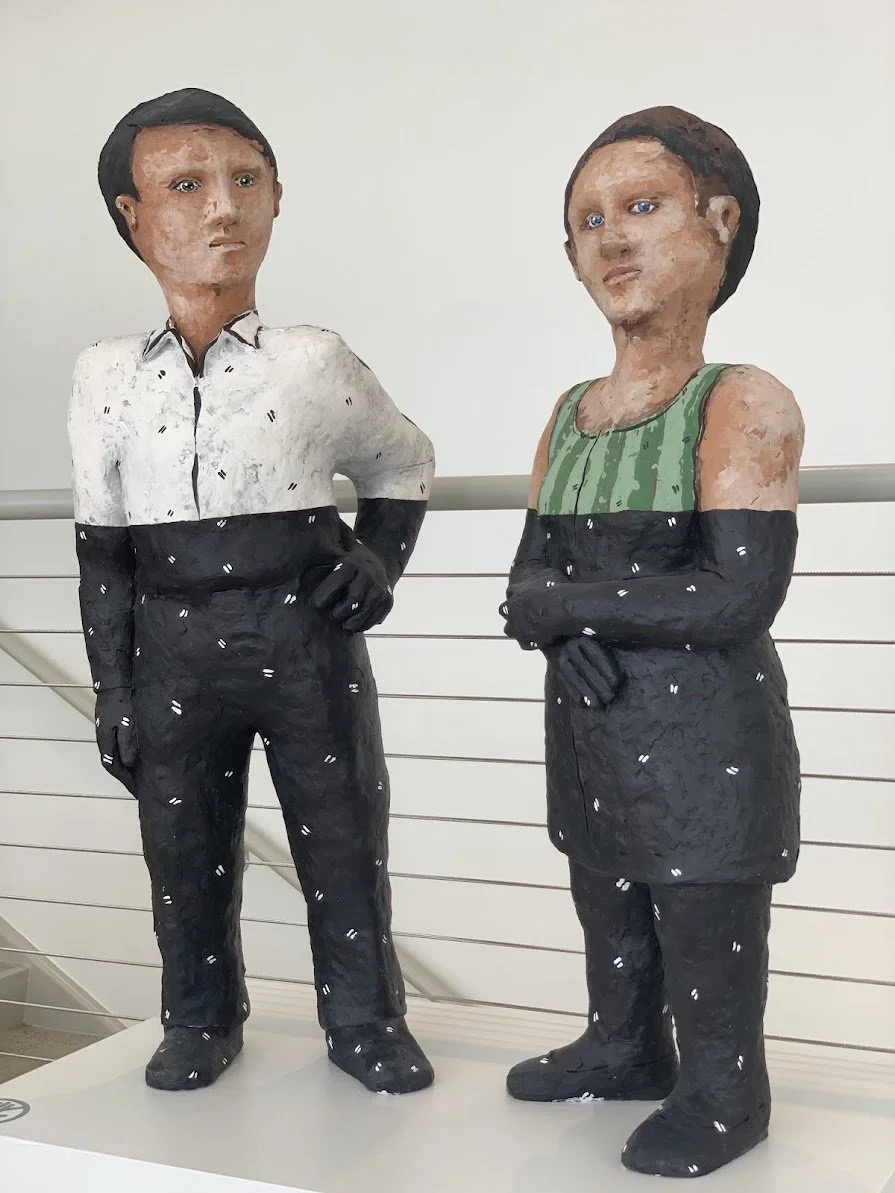
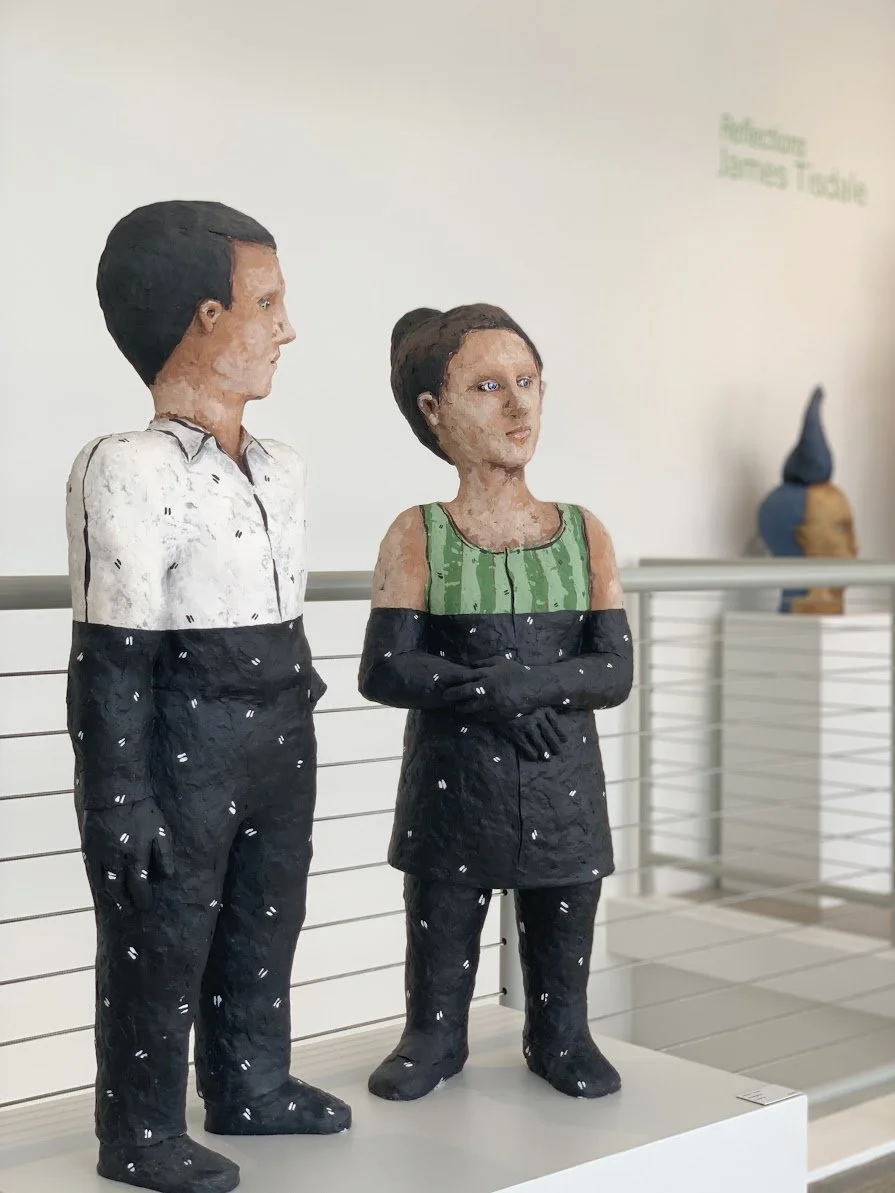
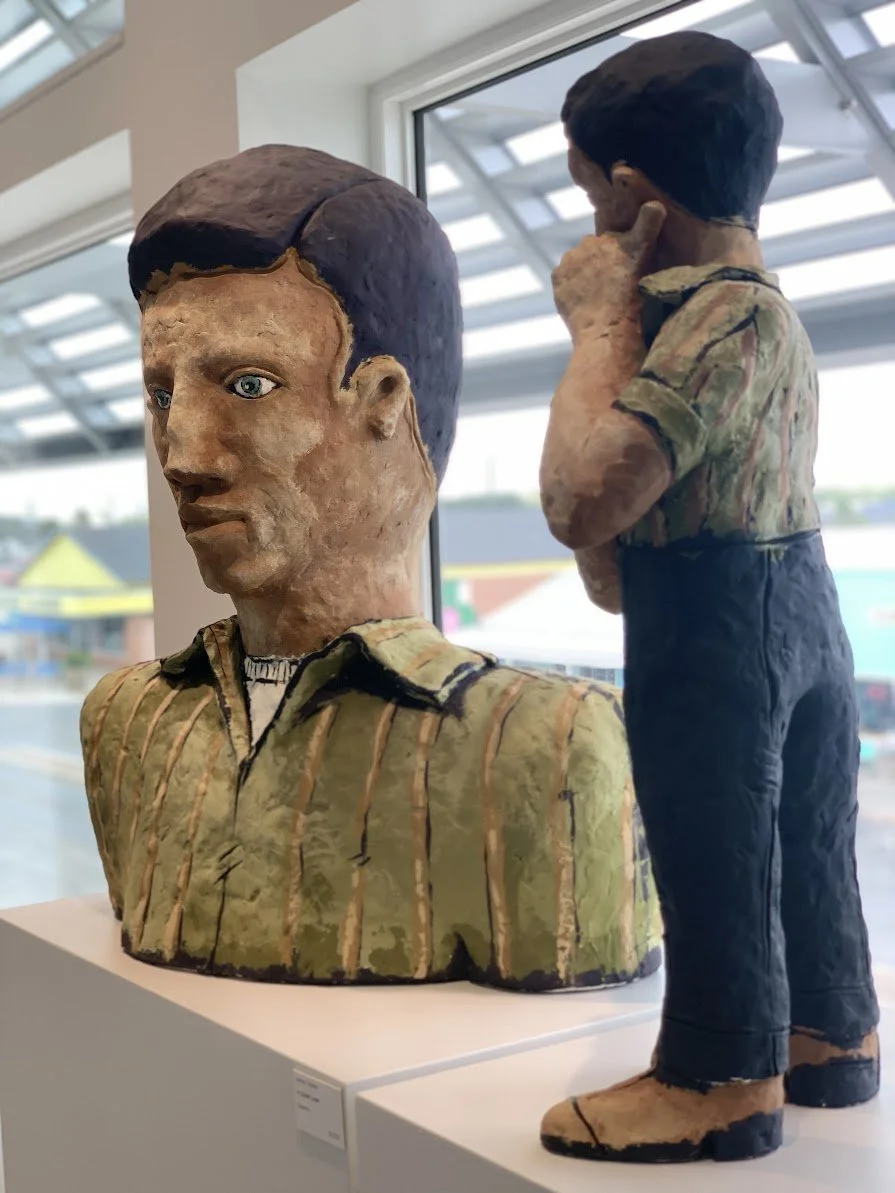
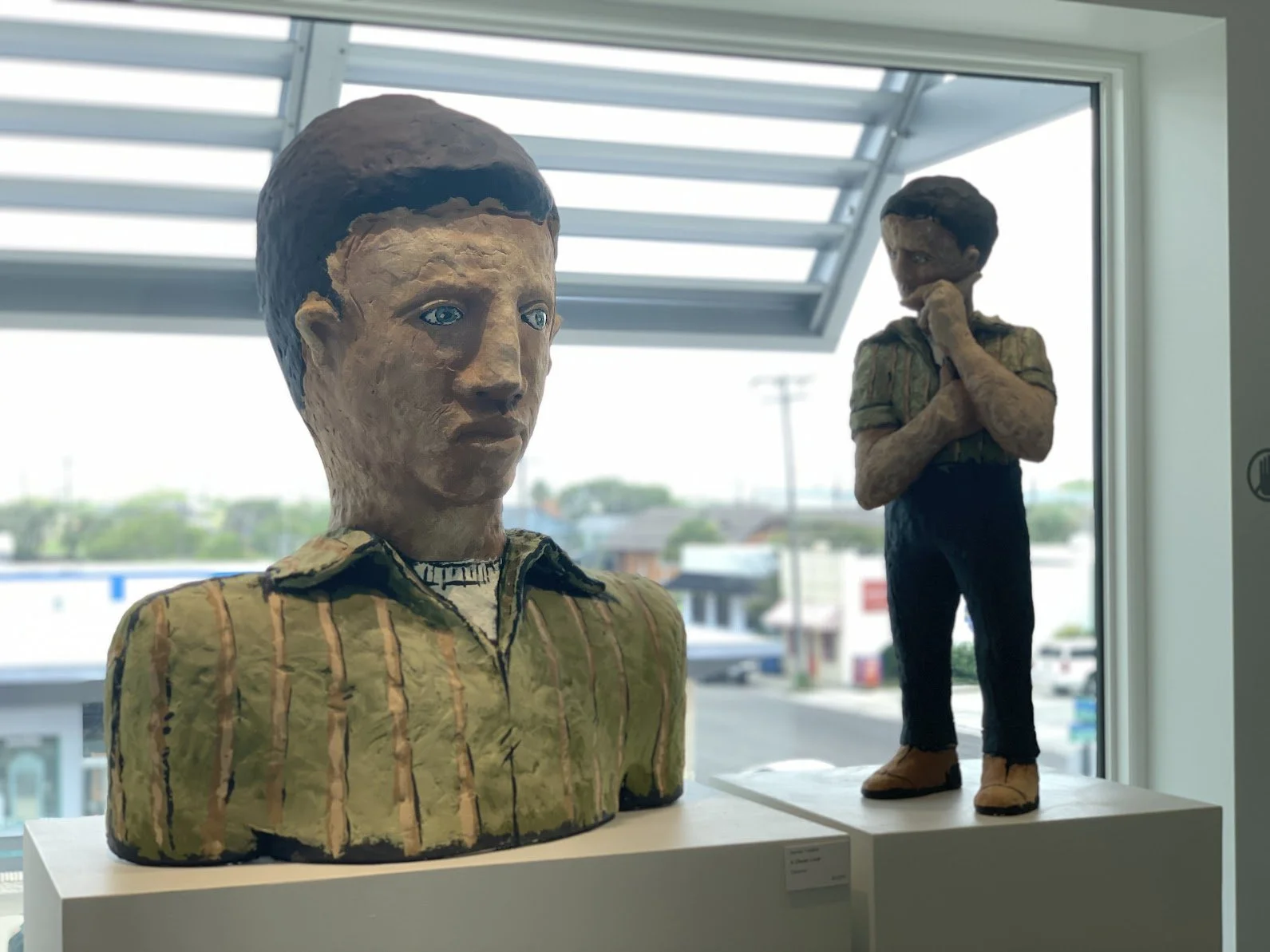
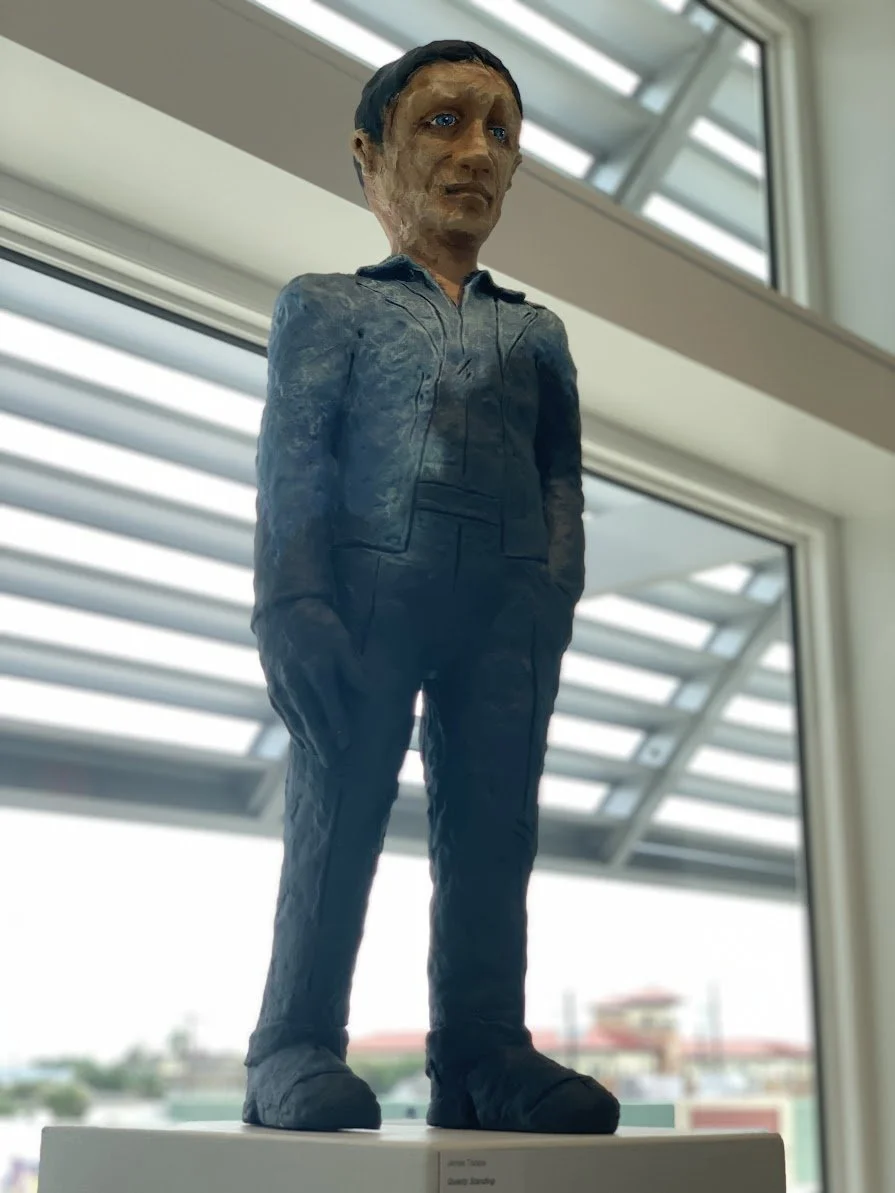
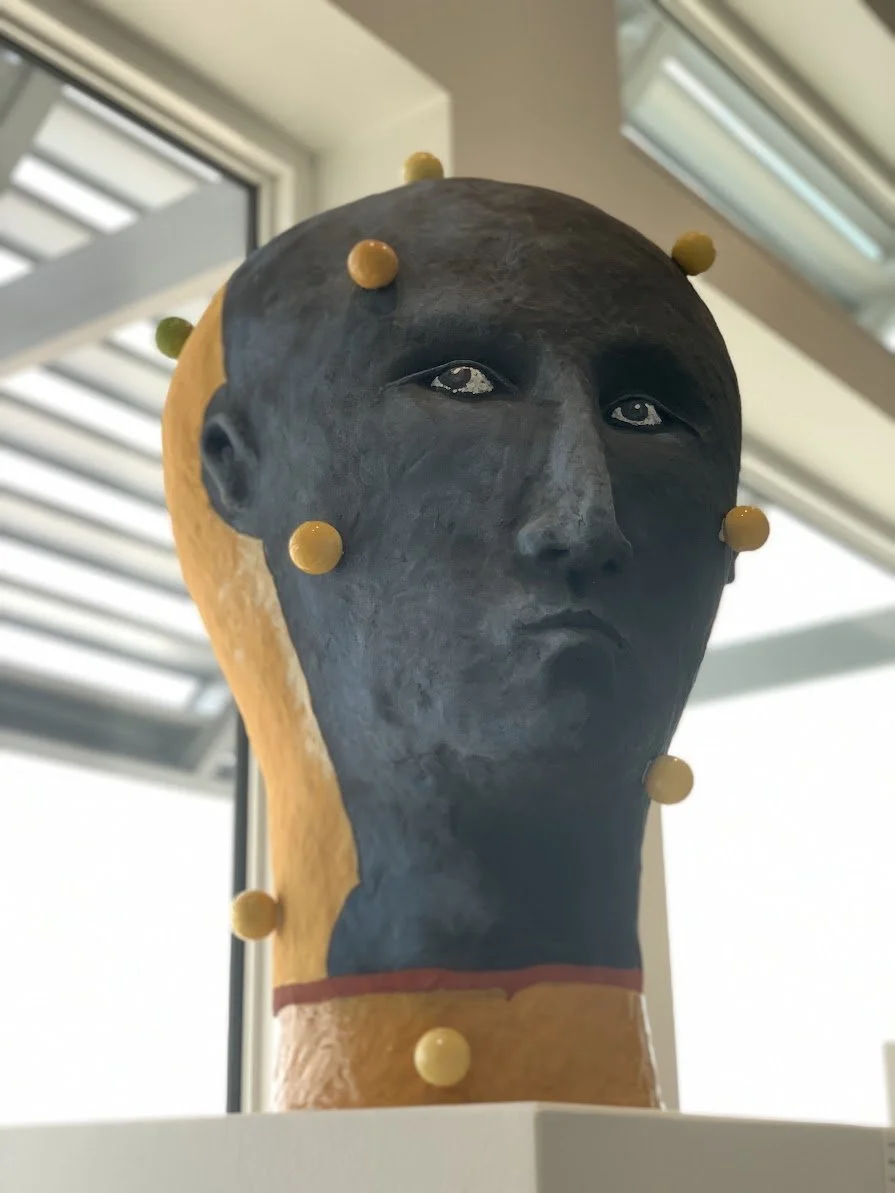
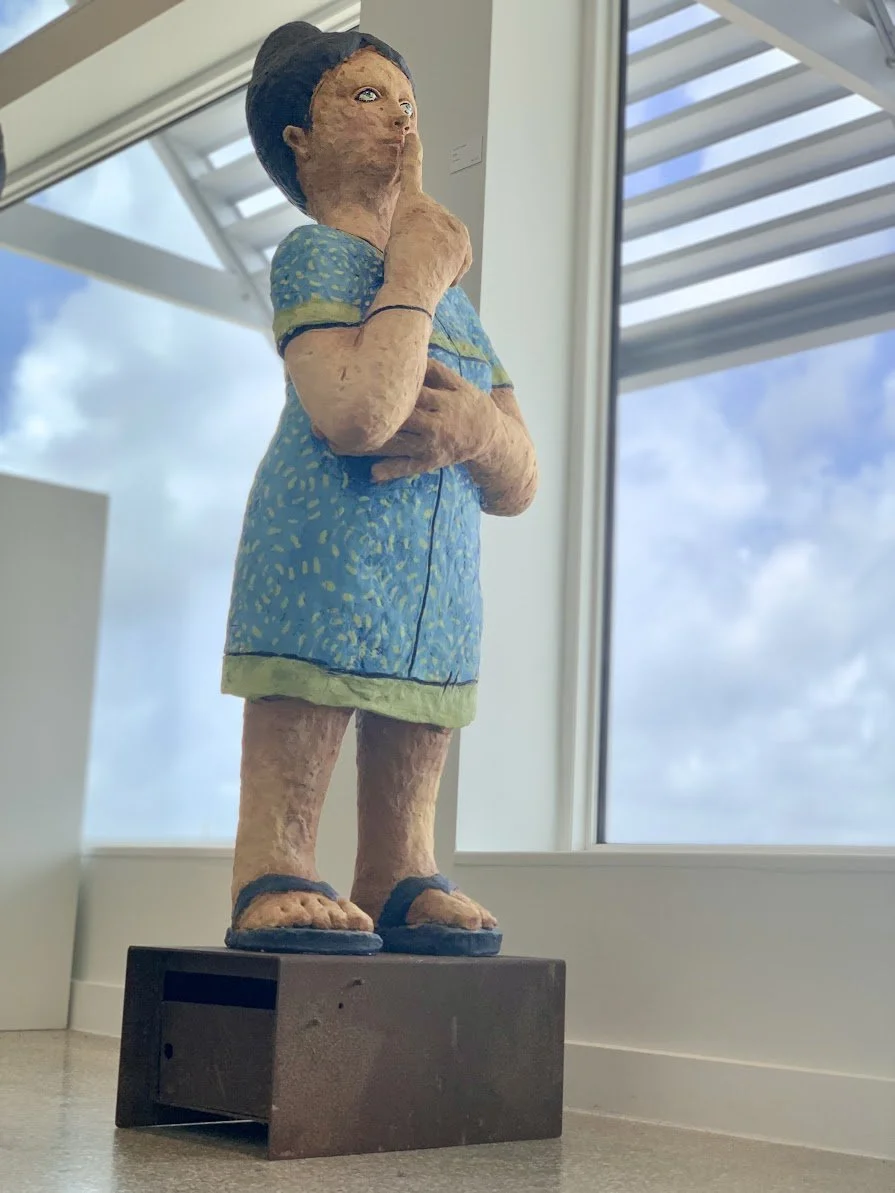
James’ personal iconography is rich with references to the cultural, social, political and religious experiences of growing up in Mississippi. His outlook is humorous, poignant, and sometimes confrontational, as he observes the world around him. The work draws upon both the beauty and the ugliness of this region. His works explore the concepts of what society ordains as acceptable or beautiful, as well as, what it condemns as being ugly and undesirable. Having grown up in the south, he discovered that many situations, events and people are a mixture of both definitions. For him, the intrigue lies not only within the borders of these interpretations but also in how these labels can influence a lifelong attitude.
While James is influenced by all that he sees and hears, his historical art influences range widely from the figurative art works of the Renaissance to the personally powerful folk art of the south.
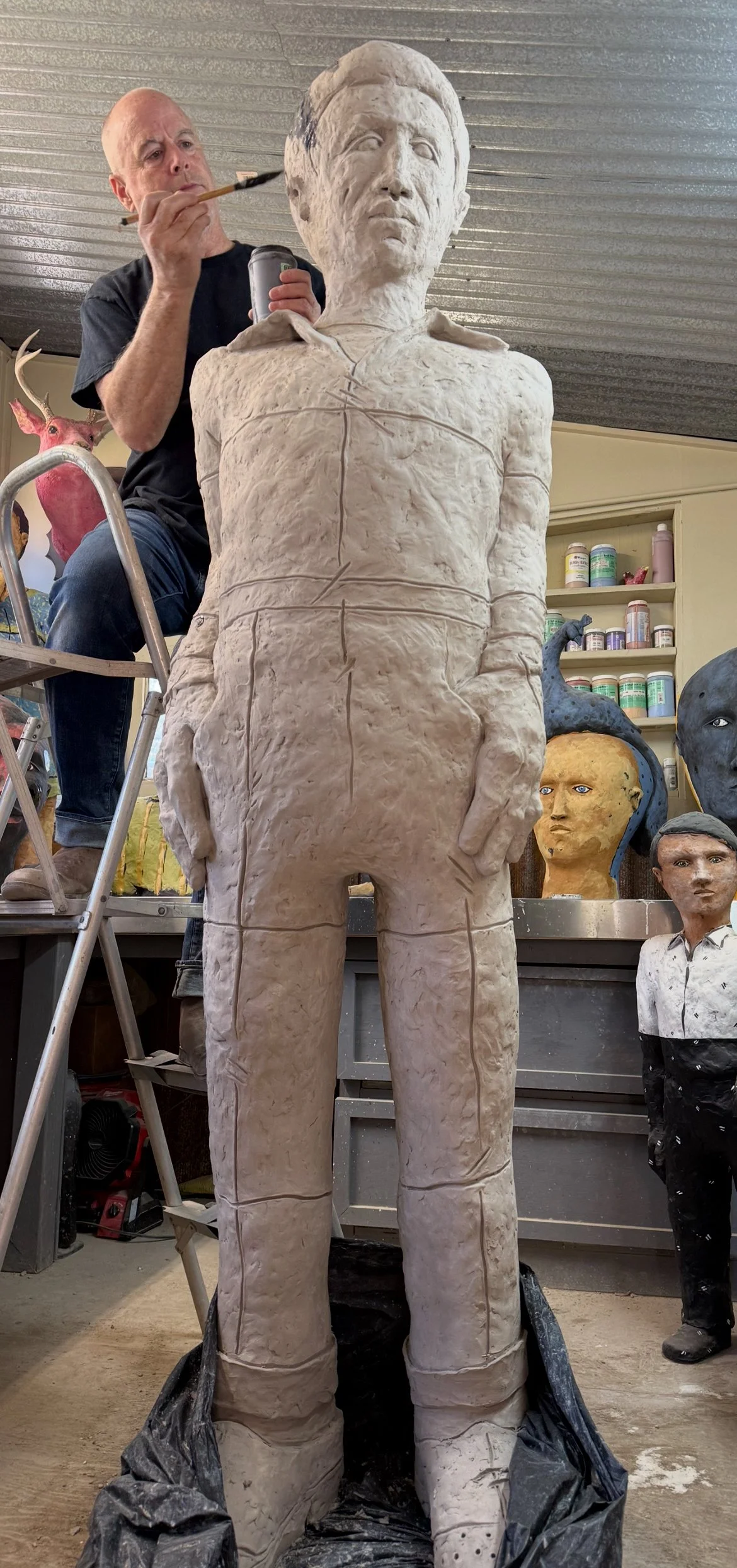
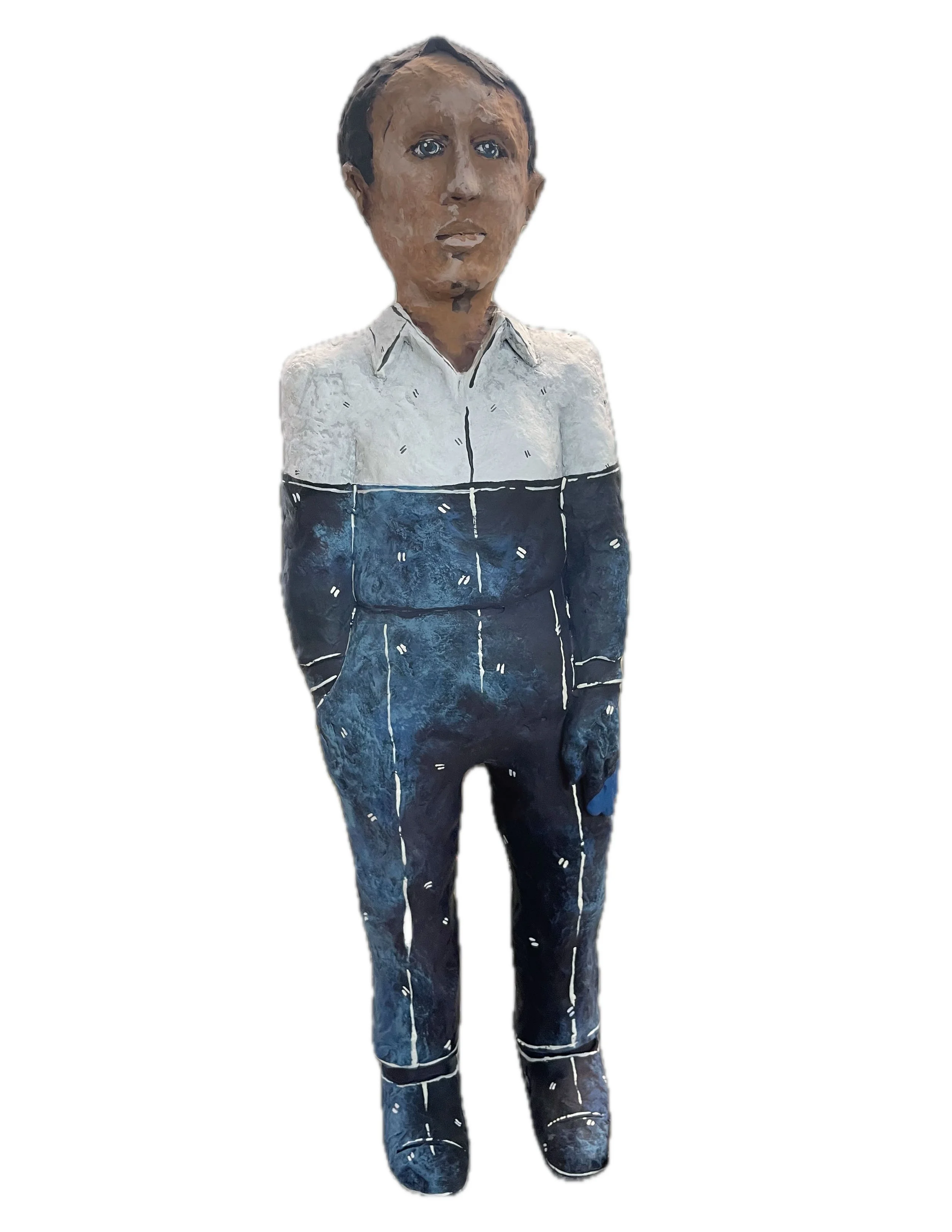
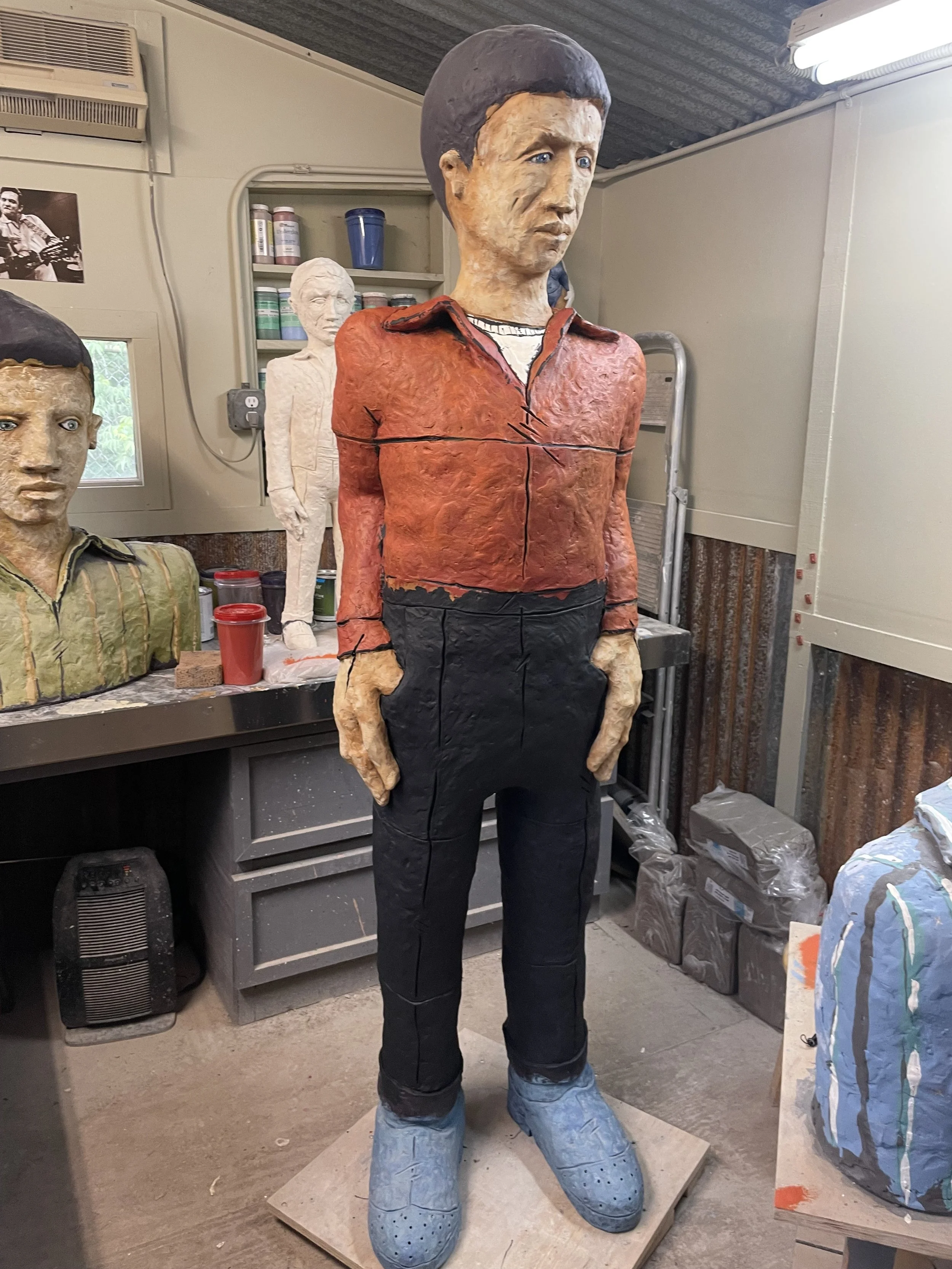
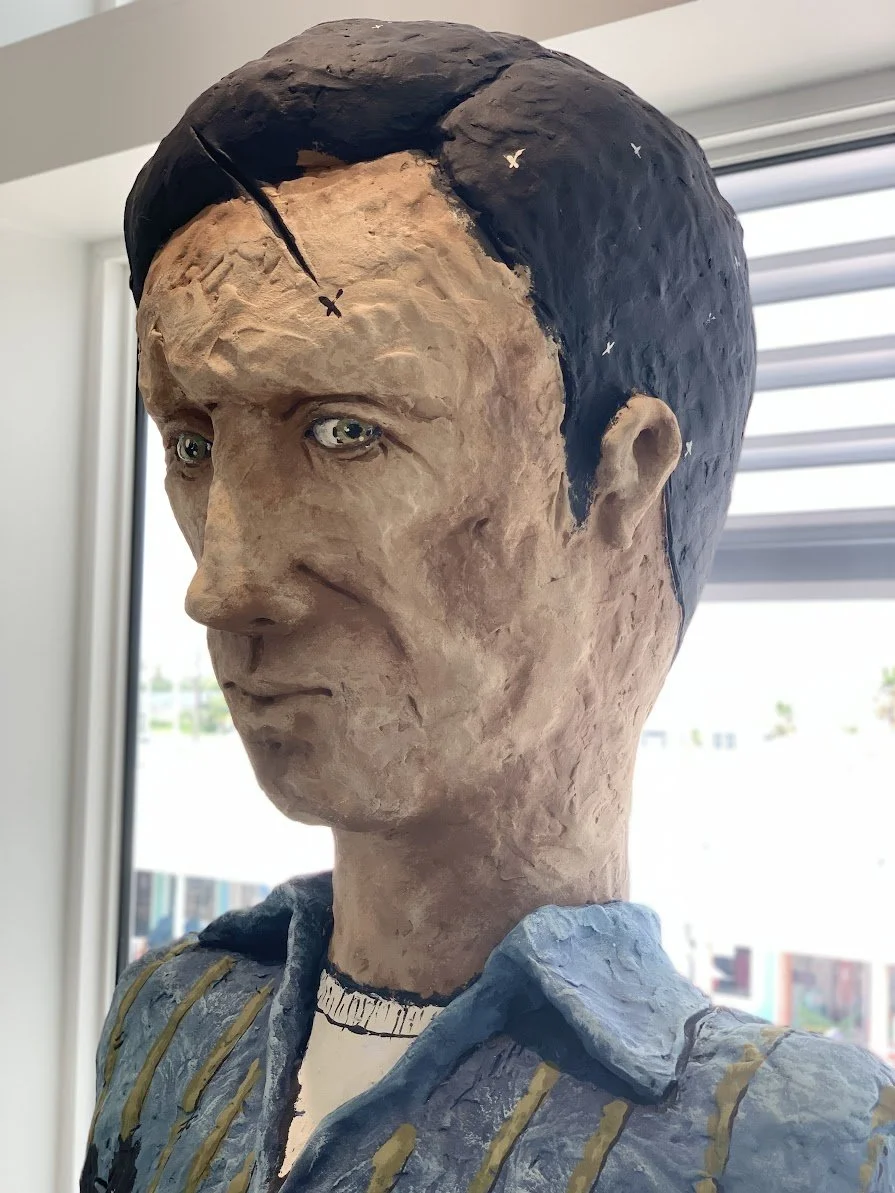
James’ pieces are constructed using various methods with a heavy grog white clay body. Once the form is established, the surface is then finished with several layers of underglazes, stains, and glazes. With each added layer, the work is subjected to another firing. The initial firing is to cone 1 followed by lower temperature firings to cone 04. This process of layering colorants is used to add depth to the surface and a look of distress to the piece.
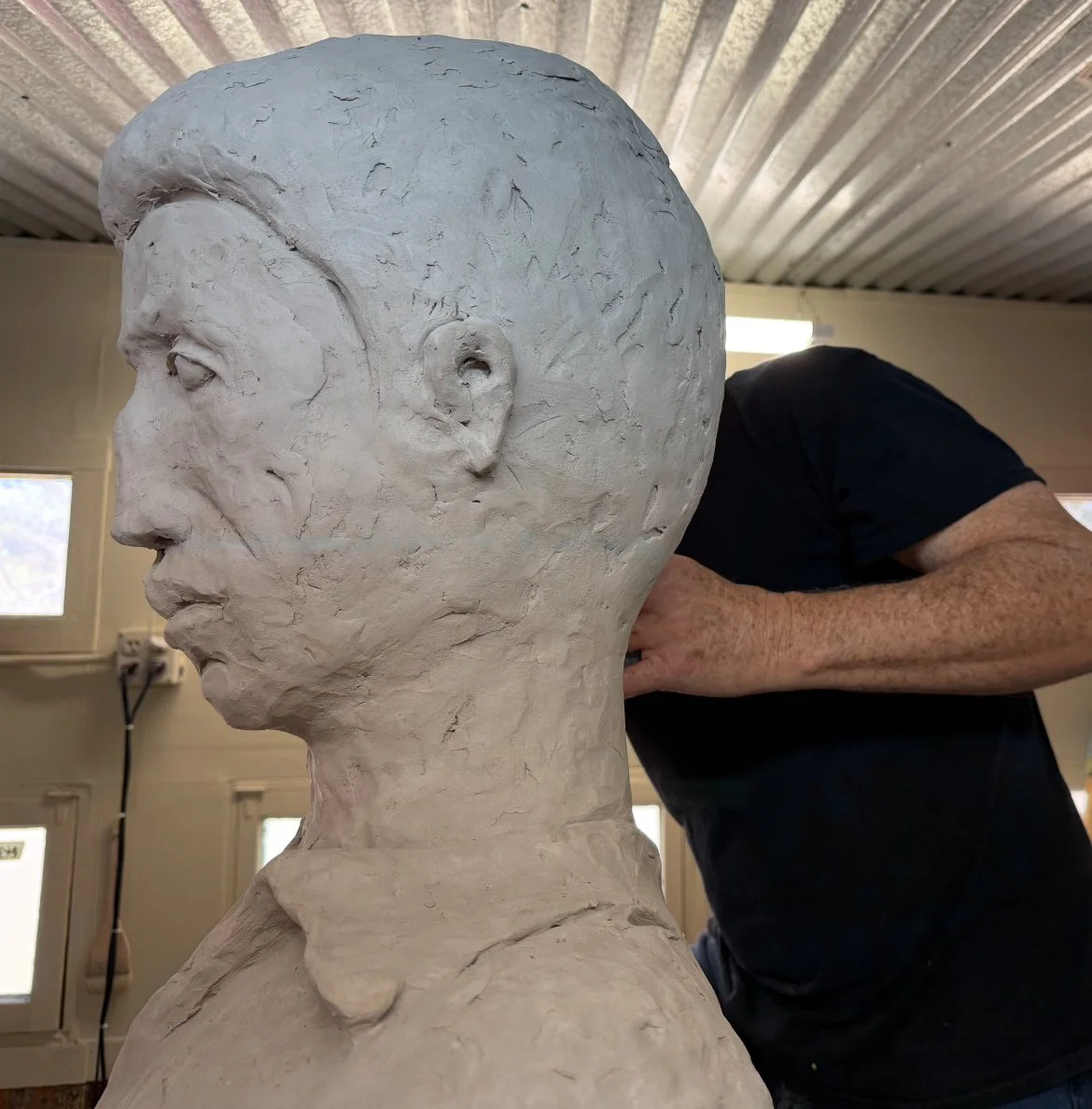
James says, “My work is constructed by using the coil method. This is done with a hand full of clay at a time that is rolled out as a single coil. They are then attached one atop another from the ground up. The work is hollow built meaning there are not armatures inside the pieces. The pieces are free standing.
“The pieces are then built as one unit from bottom to top, culminating to the completion of the head. The work is left to slowly dry, around 3 to 4 weeks. Once dried I take a battery-operated saw all to cut the pieces in sections that I can move and that fit into my kiln. Once loaded the pieces go through a four day firing cycle.” He continues, “Sometimes I apply color before the initial firing.”
If you observe the work, you can see the lines where he has dissected the pieces. Along with the lines and the rough handling of the clay surface show the viewer how it’s made and process he uses to obtain its appearance. Once fired and unloaded, he reassembles the sections with an industrial grade bonding material.
He says, “There are times I will then use Sherman Williams flat exterior paint to achieve the multiple layers of color I desire, and I also use paint, underglazes and glazes.”
“I hope this allows you some insight of how the work is constructed.” - James Tisdale